การอนุรักษ์และถ่ายทอดภูมิปัญญาอาหารโปรตุเกส: กรณีศึกษาชุมชนกุฎีจีน เขตธนบุรี กรุงเทพมหานคร
Article Sidebar
Main Article Content
บทคัดย่อ
ความเป็นมาและวัตถุประสงค์: ชุมชนกุฎีจีนตั้งอยู่ในเขตธนบุรี กรุงเทพมหานคร จัดเป็นชุมชนพหุวัฒนธรรม มีภูมิปัญญาอาหารโปรตุเกสอยู่ในวิถีการดำเนินชีวิตของคนในชุมชน การศึกษานี้จึงมีวัตถุประสงค์เพื่อศึกษาชนิดของอาหารโปรตุเกส และแนวทางในการถ่ายทอดองค์ความรู้และอนุรักษ์ภูมิปัญญาอาหารโปรตุเกสภายในชุมชนกุฎีจีน
วิธีดำเนินการวิจัย: กลุ่มผู้ให้ข้อมูลหลักในการวิจัยครั้งนี้ มีจำนวน 10 คน ได้แก่ ผู้ที่สืบเชื้อสายของชาวโปรตุเกส ผู้นำชุมชน ชาวชุมชน และผู้รู้ด้านอาหารโปรตุเกส เก็บรวบรวมข้อมูลโดยใช้แบบสอบถามเกี่ยวกับความรู้ ประเภทของอาหารตามวัฒนธรรมโปรตุเกสร่วมกับการสัมภาษณ์เชิงลึก เพื่อศึกษาแนวทางการอนุรักษ์ภูมิปัญญาด้านอาหารโปรตุเกสผ่านการถ่ายทอดองค์ความรู้ด้วยวิธีต่าง ๆ
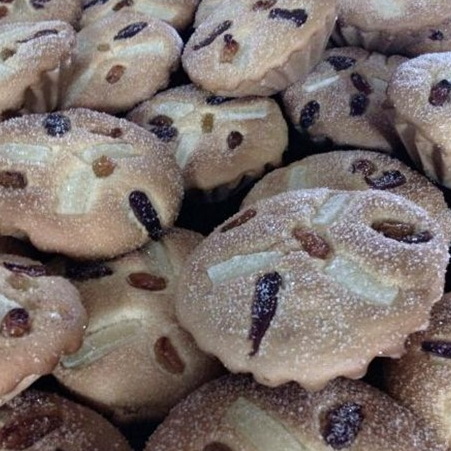
ผลการวิจัย: ชนิดของอาหารโปรตุเกสที่พบในชุมชนกุฎีจีน จำนวน 14 ชนิด ได้แก่ ต้มมะฝ่า ต้มเค็มโปรตุเกส เนื้อซาโมล หมูอบมันฝรั่ง เจ้าเจา ขนมจีนแกงไก่คั่ว สัพแยก ยำทวาย ยำใหญ่ หมูฝอยผัดกากหมู ขนมฝรั่งกุฎีจีน ขนมกุสรัง ขนมกวยตัส และขนมหน้านวล เป็นอาหารที่ยังคงมีอยู่ในครัวเรือน บางส่วนได้มีการประกอบเชิงพาณิชย์ และมีความเชื่อมโยงระหว่างอาหาร ความเชื่อ ศาสนา และประเพณี โดยมีการประยุกต์ใช้วัตถุดิบและอุปกรณ์ที่มีในปัจจุบัน มีการอนุรักษ์ภูมิปัญญาอาหารโปรตุเกสในชุมชนกุฎีจีนผ่านการถ่ายทอดองค์ความรู้จากคนในครอบครัว ผ่านระบบผู้สูงวัยและเครือญาติ รวมทั้งการนำความรู้และทักษะที่ได้รับมาประกอบอาชีพภายในชุมชน
สรุป: การเปลี่ยนแปลงทางสังคมพหุวัฒนธรรมทำให้เกิดการผสมผสานของวัฒนธรรมอาหารในชุมชน และส่งผลให้อาหารโปรตุเกสในชุมชนมีการปรับเปลี่ยน และมีการประยุกต์ใช้วัตถุดิบในท้องถิ่น มีการนำอาหารโปรตุเกสที่เป็นที่รู้จักมาผลิตและจัดจำหน่ายเชิงพาณิชย์ เกิดเป็นอัตลักษณ์ของชุมชน และควรจัดทำฐานข้อมูลตำรับอาหารเพื่อเป็นการอนุรักษ์ภูมิปัญญาและสานต่อองค์ความรู้ด้านอาหารโปรตุเกสให้คงอยู่ต่อไป
Article Details

อนุญาตภายใต้เงื่อนไข Creative Commons Attribution-NonCommercial-NoDerivatives 4.0 International License.
เอกสารอ้างอิง
Aromkliang, T. and S. Chatraphorn. 2014. Sustainability of local wisdom transferring on Lanna food. Kasetsart J. (Soc. Sci.) 35(2): 189–205. (in Thai)
BMA GIS Portal. 2019. Story Map Journal. Available Source: https://bmagis.bangkok.go.th/portal/apps/MapJournal/index.html?appid=67a692449dcc4501838f89b2abfafa0c, January 6, 2024. (in Thai)
Khanjanusthith, P., J. Thammapornpilas, P. Seeumpornoj and S. Phukaoluan. 2004. The Conservation and Development of Water-Based Communities for Tourism Planning Case Study of Inner Bangkok and Surrounding. Research Report, Thailand Science Research and Innovation, Bangkok, Thailand. (in Thai)
Kitkanjanakun, P. 2023. Local wisdom about Mon cuisine in the Mae Klong river basin, Ratchaburi province. JLA 23(1): 204–233. (in Thai)
Luckthong, U. 2015. Approaches for strengthen the multi–cultural community. Journal of Information. 14(2): 37–45. (in Thai)
Malisuwan, C. and M. Radenahmad. 2021. Communication of local food culture in the southern border of Thailand. Panyapiwat Journal. 13(2): 177–189. (in Thai)
Marcone, M.F., P. Madan and B. Grodzinski. 2020. An overview of the sociological and environmental factors influencing eating food behavior in Canada. Front. Nutr. 7: 77. https://doi.org/10.3389/fnut.2020.00077.
Museum Thailand. n.d. Samrab Saran Siam–Portuguese Food Kudi Chin Community. Available Source: https://www.museumthailand.com/th/346/webboard/topic/. July 23, 2023. (in Thai)
Naderifar, M., H. Goli and F. Ghaljaie. 2017. Snowball sampling: A purposeful method of sampling in qualitative research. Strides Dev. Med. Educ. 14(3): e67670. https://doi.org/10.5812/sdme.67670.
Nanrum, S. 2016. Siam-Portugal relationship: Portuguese heritage in Thailand. PRCJ 28(2): 66–87. (in Thai)
Odjai, P. and K. Chitchang. 2015. Continuity and change of Thai-Portuguese culture: A case study of Santa Cruz (Gudichin) community in Bangkok. JIRGS 4(1): 31–39. (in Thai)
Reddy, G. and R.M. van Dam. 2020. Food, culture, and identity in multicultural societies: Insights from Singapore. Appetite 149: 104633. https://doi.org/10.1016/j.appet.2020.104633.
Royal Thai Embassy, Lisbon. 2012. Thai in Portugal. Available Source: https://image.mfa.go.th/mfa/0/WbV6zVWTEV/migrate_directory/thai-people-20121008-225144-546217.pdf, December 10, 2022. (in Thai)
Songsathaporn, S. and T. Chantuk. 2017. The guidelines ways to relay the method of making Farang Kudeejeen from the elderly in Kudeejeen community, Bangkok province, pp. 1130–1140. In Proc. the 9th Creative RMUT and Sustainable Innovation for Thailand 4.0, August 7–9, 2017 (in Thai)
Suweeranon, J., S. Chantajorn and R. Singhalert. 2022. Local food wisdom of Ayutthaya province: Development of commercial food innovations for the elderly. HSSNSRU 9(1): 1–15. (in Thai)
Thongmeethip, K., A. Niyomratjaroon, P. Arandon, K. Sukopan, W. Pothibutr and A. Osotcharoen. 2022. The process of inheriting local wisdom of Kanom Farang-Kudeejeen. HUSO. LRU. 5(1): 46–57. (in Thai)
Tuptim, N., K. Channarong, M. Pataramutha, P. Suklek and S. Wiriyasumon. 2017. A study of connection of dining cultures between Phitsanulok and ASEAN. JCDR–HS. 10(4): 47–61. (in Thai)
