
ผลของการมีเภสัชกรร่วมในโปรแกรมควบคุมกำกับการใช้ยาต้านจุลชีพต่อความเหมาะสมในการสั่งใช้ยาต้านจุลชีพ ในแผนกผู้ป่วยใน โรงพยาบาลสุไหงโก-ลก
คำสำคัญ:
เภสัชกร, โปรแกรม ASP, ความเหมาะสม, การสั่งใช้ยาต้านจุลชีพบทคัดย่อ
ความเป็นมาและวัตถุประสงค์ เภสัชกรมีบทบาทสำคัญในการกำกับ และติดตามการใช้ยาต้านจุลชีพในโปรแกรมควบคุมกำกับการใช้ยาต้านจุลชีพ (Antimicrobial Stewardship Program: ASP)การวิจัยนี้มีวัตถุประสงค์เพื่อศึกษาผลของการมีเภสัชกรร่วมในโปรแกรมฯ ต่อความเหมาะสมในการสั่งใช้ยาต้านจุลชีพในแผนกผู้ป่วยในโรงพยาบาลสุไหงโก-ลก
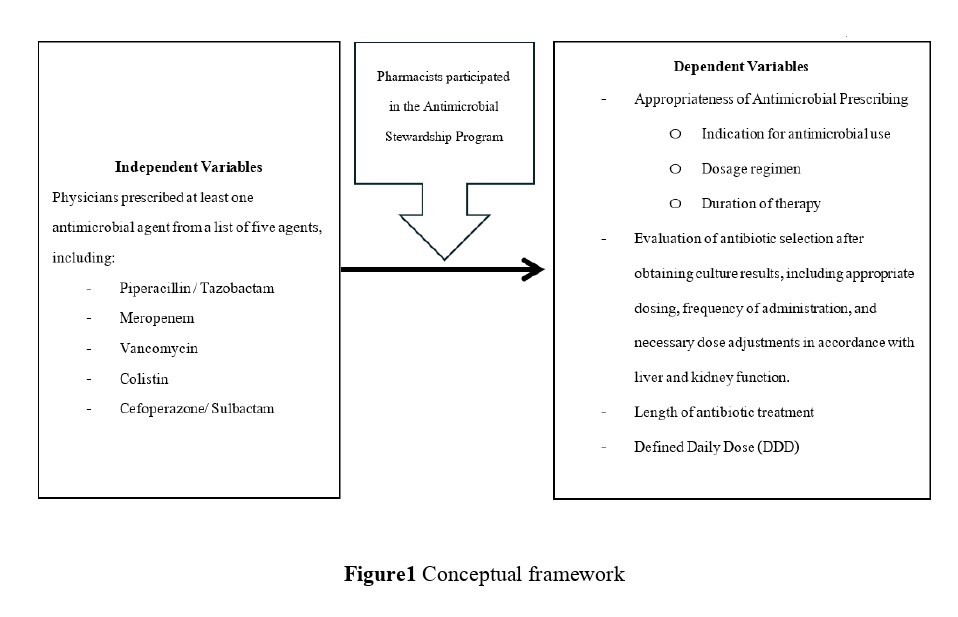
วิธีการวิจัย เป็น Retrospective Study โดยการทบทวนใบสั่งยา เปรียบเทียบความแตกต่างของความเหมาะสมในการสั่งใช้ และปริมาณการใช้ยาต้านจุลชีพ จำนวน 5 รายการ ได้แก่ Meropenem, Piperacillin / Tazobactam, Vancomycin, Colistin และ Cefoperazone / Sulbactam ในช่วงเวลาที่ไม่มีและมีเภสัชกรเข้าร่วมในโปรแกรมฯ
ผลการวิจัย จากใบสั่งยา 506 ใบ พบความเหมาะสมในการสั่งใช้ยาลดลงในช่วงเวลาที่มีเภสัชกร เมื่อเปรียบเทียบกับช่วงเวลาที่ไม่มีเภสัชกรอย่างมีนัยสำคัญทางสถิติ (ร้อยละ 16.7 เทียบกับ 8.8 ตามลำดับ, P-value < 0.001) โดยความไม่เหมาะสมในการสั่งใช้ยาส่วนใหญ่พบว่า เป็นขนาดยาไม่เหมาะสม คิดเป็นร้อยละ 7.7 และข้อบ่งใช้ไม่เหมาะสม คิดเป็นร้อยละ 5.9 เภสัชกรดำเนินการให้คำแนะนำการใช้ยาต้านจุลชีพแก่แพทย์ ซึ่งแพทย์ปรับเปลี่ยนคำสั่งใช้ยาตามคำแนะนำ คิดเป็นร้อยละ 100 เมื่อเปรียบเทียบปริมาณการใช้ยาต้านจุลชีพ พบว่า ช่วงเวลาที่มีเภสัชกรมีปริมาณการใช้ยา Meropenem เพิ่มขึ้นอย่างมีนัยสำคัญทางสถิติ (14.7 ± 4.3 เทียบกับ 5.0 ± 0.5 ตามลำดับ, P-value < 0.001) เพียงรายการเดียว
สรุปและข้อเสนอแนะ การมีเภสัชกรร่วมในโปรแกรมฯ สามารถแนะนำและชี้แนะแนวทางการสั่งใช้ยาต้านจุลชีพแก่แพทย์ โดยเฉพาะในเรื่องของขนาดยา ส่งผลให้การสั่งใช้ยามีความเหมาะสมมากขึ้น แต่ปริมาณการใช้ยาส่วนใหญ่ไม่แตกต่างกันทางสถิติ
เอกสารอ้างอิง
Ananwattanakit, M., Usayaporn, S., Tantawichien, T., Puttilerpong, C., & Pengsuparp, T. (2015). Effects of Pharmacist Participation in an Antimicrobial Stewardship Program on Appropriate Antibiotic Use. Thai Pharmaceutical and Health Science Journal, 10(1), 1-9. https://ejournals.swu.ac.th/index.php/pharm/article/view/5245/4971
Antimicrobial Resistance (AMR) Thailand. (2023). National Antimicrobial Resistance Action Plan No. 2 | 2023-2027. Author.
Apisarnthanarak, A., & Mundy, L. M. (2008). Correlation of Antibiotic Use and Antimicrobial Resistance in Pratumthani, Thailand, 2000 to 2006. American Journal of Infection Control, 36(9), 681-682. https://doi.org/10.1016/j.ajic.2007.10.022
Gatechan, T., Nakaranurack, C., Plongla, R., Chuenjit, T., & Gross, A. E. (2025). The Impact of Pharmacist-Led Education and Prospective Audit and Feedback on Antibiotic Dose Optimization within Medical Intensive Care Units in Thailand: a Retrospective Study. Journal of Pharmaceutical Policy and Practice, 18(1), 1-18. https://doi.org/10.1080/20523211.2025.2467456
Health Policy and Systems Research on Antimicrobial Resistance (HPSR-AMR) Network. (2024). Highlights Thailand One Health Report 2021: Antimicrobial Consumption and Antimicrobial Resistance. International Health Policy Program.
Jantarathaneewat, K., Camins, B., & Apisarnthanarak, A. (2022). The Role of the Clinical Pharmacist in Antimicrobial Stewardship in Asia: A Review. Antimicrobial Stewardship & Healthcare Epidemiology, 2, 1-9. http://doi.org/10.1017/ash.2022.310
Limphan, J., & Songmuang, T. (2023). Effects of Pharmacist Participation in a Carbapenem Antimicrobial Stewardship Program on Appropriate Antibiotic Use. International Journal of Population Studies, 19(2), 1 - 15. https://he01.tci-thaijo.org/index.php/IJPS/article/ view/255418/178529
Nakamura, S., Arima, T., Tashiro, R., Yasumizu, S., Aikou, H., Watanabe, E., Nakashima, T., Nagatomo, Y., Kakimoto, I., & Motoya, T. (2021). Impact of an Antimicrobial Stewardship in a 126-Bed Community Hospital with Close Communication between Pharmacists Working on Post-Prescription Audit, Ward Pharmacists, and the Antimicrobial Stewardship Team. Journal of Pharmaceutical Health Care and Sciences, 7, 1 - 9. https://doi.org/10.1186/s40780-021-00206-x
Prakongsai, N., Sutthisawad, N., & Rimkeeree, P. (2021). Effects of Antimicrobial Control Program on Appropriate Use of Antibiotics. Buddhachinaraj Medical Journal, 38(2), 181 - 196. https://he01.tci-thaijo.org/index.php/BMJ/article/view/251807/170176
Rattanaumpawan, P., Upapan, P., & Thamlikitkul, V. (2018). A Noninferiority Cluster-Randomized Controlled Trial on Antibiotic Postprescription Review and Authorization by Trained General Pharmacists and Infectious Disease Clinical Fellows. Infection Control & Hospital Epidemiology, 39(10), 1154 - 1162. https://doi.org/10.1017/ice.2018.198
Rusic, D., Kumric, M., Perisin, A. S., Leskur, D., Bukic, J., Modun, D., Vilovic, M., Vrdoljak, J., Martinovic, D., Grahovac, M., & Bozic, J. (2024). Tackling the Antimicrobial Resistance “Pandemic” with Machine Learning Tools: A Summary of Available Evidence. Microorganisms, 12(5), 1 - 25. https://doi.org/10.3390/microorganisms12050842
Saha, S. K., Hawes, L., & Mazza, D. (2019). Effectiveness of Interventions Involving Pharmacists on Antibiotic Prescribing by General Practitioners: A Systematic Review and Meta-Analysis. Journal of Antimicrobial Chemotherapy, 74(5), 1173 - 1181. https://doi.org/10.1093/jac/dky572
Thomnoi, T., Komenkul, V., Prawang, A., & Santimaleeworagun, W. (2022). Impact of Pharmacist-Led Implementation of a Community Hospital-Based Outpatient Parenteral Antimicrobial Therapy on Clinical Outcomes in Thailand. Antibiotics (Basel, Switzerland), 11(6), 760. https://doi.org/10.3390/antibiotics11060760
Uda, A., Ebisawa, K., Sakon, H., Kusuki, M., Izuta, R., Yahata, M., & Yano, I. (2022). Sustained Improvements in Antimicrobial Therapy and Clinical Outcomes Following a Pharmacist-Led Antimicrobial Stewardship Intervention: Uncontrolled Before–After Study. Journal of Clinical Medicine, 11(3), 1 - 9. https://doi.org/10.1186/s40780-021-00206-x
Ungsamran, K. (2018). Antimicrobial Stewardship: Among Carbapenems, Tigecyline at Department of Medicine. Mahasarakham Hospital Journal, 15(2), 23 - 33. https://he02.tci-thaijo.org/index.php/MKHJ/article/download/195453/135811
World Health Organization. (2019). Antimicrobial Stewardship Programmes in Health-Care Facilities in Low-and Middle-Income Countries. WHO. https://iris.who.int/handle/10665/330270
World Health Organization. (2024, June 14). Thailand Sounds the Alarm on Antimicrobial Resistance. WHO. https://www.who.int/thailand/news/detail/14-06-2024-thailand-sounds-the-alarm-on-antimicrobial-resistance
ดาวน์โหลด
เผยแพร่แล้ว
รูปแบบการอ้างอิง
ฉบับ
ประเภทบทความ
สัญญาอนุญาต
ลิขสิทธิ์ (c) 2025 วารสารมหาวิทยาลัยนราธิวาสราชนครินทร์

อนุญาตภายใต้เงื่อนไข Creative Commons Attribution-NonCommercial-NoDerivatives 4.0 International License.