Vitex trifolia L. Leaf herbal bar soap: Product formulation, determination of its active constituents, and product stability study
Keywords:
Herbal bar soap, Vitex trifolia L., Physicochemical stabilityAbstract
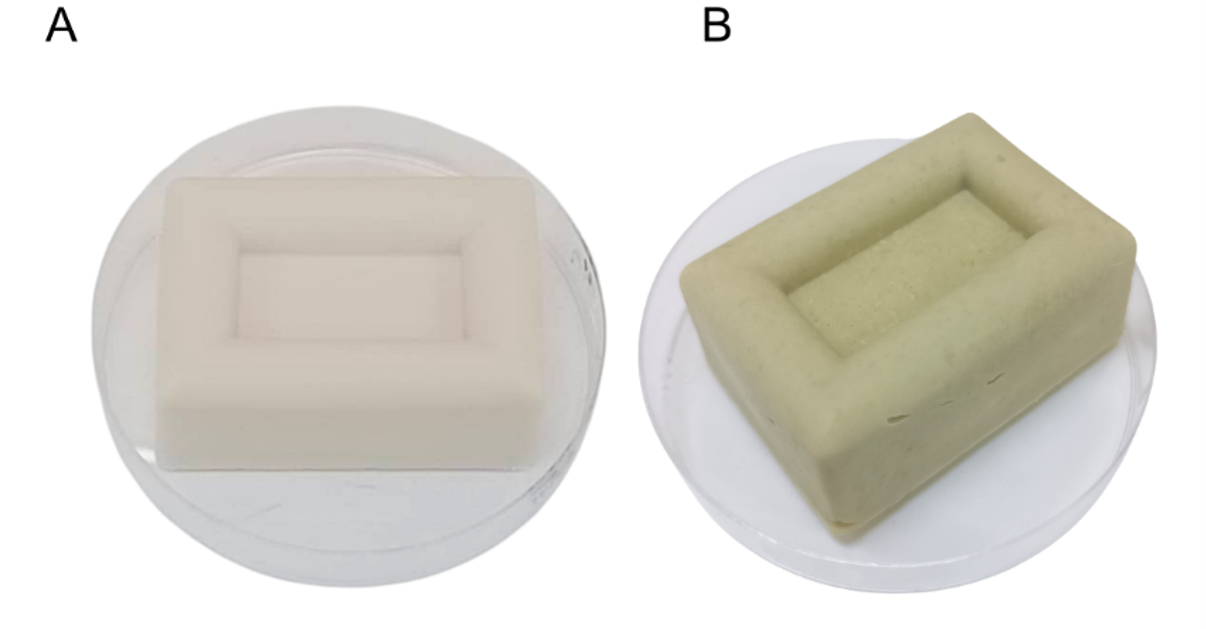
Vitex trifolia L. (Lamiaceae) is mainly distributed in Asia, including Thailand. In traditional Thai medicine, its leaves have been used for the treatment of several conditions, such as swelling, nasal polyps. Traditional folk wisdom uses boiled leaves of V. trifolia for bathing to treat skin diseases, including fungal infections, tinea, and tinea capitis. Previous studies have reported that leaf extracts of V. trifolia contain various bioactive compounds possessed strong antioxidant and anti-inflammatory activities. The aim of this study was to develop and evaluate the efficacy of a V. trifolia bar soap formulation. Physicochemical stability was investigated through the evaluation of physical characteristics, pH, volume of bubbles, foamability, erosion of soap, and overall stability under different storage conditions. Stability testing was conducted under accelerated conditions and at different temperatures (4°C, 30°C, and 45°C) for a period of 90 days. The contents of total phenolic compounds, total flavonoid compounds, and total proanthocyanidins in the V. trifolia bar soap were analyzed using the Folin-Ciocalteu method, aluminum chloride colorimetric method, and vanillin-HCl assay, respectively. The results showed that the developed 0.4% (w/v) V. trifolia bar soap (Formula 2) exhibited stable physical and chemical properties. Furthermore, the bar soap effectively retained its bioactive constituents, including total phenolic compounds, total flavonoids, and total proanthocyanidins, during storage (p<0.05). This study indicates that V. trifolia bar soap maintain both bioactive compound content and product stability throughout the evaluation period, supporting its potential development as a stable and effective herbal skincare product.
References
Baki G, Alexander KS. Introduction to cosmetic formulation and technology. Hoboken: John Wiley & Sons; 2015.
Draelos ZD. Cosmetic dermatology: products and procedures. 2nd ed. Hoboken: Wiley-Blackwell; 2018.
Mukherjee PK, Maity N, Nema NK, Sarkar BK. Bioactive compounds from natural resources against skin
aging. Phytomedicine. 2011;19(1):64-73.
World Health Organization. WHO guidelines on good manufacturing practices (GMP) for herbal medicines.
Geneva: WHO; 2007.
Chantaranothai P. A revision of the genus Vitex (Lamiaceae) in Thailand. Trop Nat Hist. 2011;11(2):91–118.
Ministry of Public Health. Textbook of General Thai Traditional Medicine: Pharmacy. n.p.: Division of Medical Practice, Office of the Permanent Secretary, Ministry of Public Health; n.d. (in Thai)
Kamal N, Mio Asni NS, Rozlan INA, Mohd Azmi MAH, Mazlan NW, Mediani A, Baharum SN, Latip J,
Assaw S, Edrada-Ebel RA. Traditional medicinal uses, phytochemistry, biological properties, and health applications of Vitex sp. Plants (Basel). 2022;11(15):2000.
Kamal N, Mio Asni NS, Rozlan INA, Mohd Azmi MAH, Mazlan NW, Mediani A, et al. Traditional medicinal uses, phytochemistry, biological properties, and health applications of Vitex sp. Plants. 2022;11(15).
Das N, Salgueiro ACF, Choudhury DR, Mandal SK, Logesh R, Hassan MM, Devkota HP. Traditional
uses, phytochemistry, and pharmacology of genus Vitex (Lamiaceae). Phytother Res. 2022;36(2):571-671.
Hossain MM, Paul N, Sohrab MH, Rahman E, Rashid MA. Antibacterial activity of Vitex trifolia.
Fitoterapia. 2001;72(6):695-697.
Liou CJ, Len WB, Wu SJ, Lin CF, Wu XL, Huang WC. Casticin inhibits COX-2 and iNOS expression via
suppression of NF-κB and MAPK signaling in lipopolysaccharide-stimulated mouse macrophages. J Ethnopharmacol. 2014;158:310-316.
Saklani S, Mishra AP, Chandra H, Atanassova MS, Stankovic M, Sati B, Shariati MA, Nigam M, Khan
MU, Plygun S, Elmsellem H, Suleria HAR. Comparative evaluation of polyphenol contents and antioxidant activities between ethanol extracts of Vitex negundo and Vitex trifolia L. leaves by different methods. Plants (Basel). 2017;6(4):45.
Tamim Ghafari A, Hasyila Jahidin A, Zakaria Y, Hazizul Hasan M. Vitex trifolia molecular anti-
inflammatory effect: a review. Sci Eng Health Stud. 2021;15:21010006.
Tiwari N, Thakur J, Saikia D, Gupta MM. Antitubercular diterpenoids from Vitex trifolia. Phytomedicine.
;20(7):605-610.
Chan EWC, Wong SK, Chan HT. Casticin from Vitex species: a short review on its anticancer and anti-
inflammatory properties. J Integr Med. 2018;16(3):147-152.
Wee HN, Neo SY, Singh D, Yew HC, Qiu ZY, Tsai XRC, How SY, Yip KYC, Tan CH, Koh HL. Effects of
Vitex trifolia L. leaf extracts and phytoconstituents on cytokine production in human U937 macrophages. BMC Complement Med Ther. 2020;20(1):1-15.
Barel AO, Paye M, Maibach HI. Handbook of cosmetic science and technology. 4th ed. New York: CRC
Press; 2014.
Sharma D, Gupta R, Kumar S. Formulation and evaluation of herbal soap containing plant extracts. Int J
Pharm Sci Rev Res. 2017;45(2):132-137.
Organisation for Economic Co-operation and Development (OECD). OECD guidelines for the testing of
chemicals: skin irritation/corrosion. Paris: OECD Publishing; 2015.
ASEAN Cosmetic Committee. ASEAN guidelines for the safety assessment of a cosmetic product. Jakarta:
ASEAN Secretariat; 2016.
Thai Industrial Standards Institute. Community Product Standard: Bar Soap, TIS 13-2562. Bangkok: Thai Industrial Standards Institute; 2019. (in Thai)
Patcharaporn T, Saowaluck W, Wijittra J. Antibacterial soap containing the crude extracts of Phyllanthus emblica Linn. Fruits. SWU Journal. 2016;8(15):27–39. (in Thai)
Hathaiorn K, Nattaya L. Development of bar soap containing amla seed oil. 2022;1-10. (in Thai)
Tarun J, Susan J, Suria J, Susan VJ, Criton S. Evaluation of pH of bathing soaps and shampoos for skin
and hair care. Indian J Dermatol. 2014;59(5):442-4.
Hsieh MC, Shen YJ, Kuo YH, Hwang LS. Antioxidative activity and active components of longan
(Dimocarpus longan Lour.) flower extracts. J Agric Food Chem. 2008;56(16):7010-6.
Zhishen J, Mengcheng T, Jianming W. The determination of flavonoid contents in mulberry and their scavenging effects on superoxide radicals. Food Chem. 1999;64(4):555-9.
Ariffin F, Heong Chew S, Bhupinder K, Karim AA, Huda N. Antioxidant capacity and phenolic composition of fermented Centella asiatica herbal teas. J Sci Food Agric. 2011;91(15):2731-9.
Abbas S, Goldberg JW, Massaro M. Personal cleanser technology and clinical performance. Dermatol Ther. 2004;17(1):35-42.
Marina AM, Che Man YB, Nazimah SAH, Amin I. Chemical properties of virgin coconut oil. J Am Oil Chem Soc. 2009;86:301-7.
Edem DO. Palm oil: Biochemical, physiological, nutritional, hematological and toxicological aspects: A review. Plant Foods Hum Nutr. 2002;57:319-41.
ScienceDirect. Sunflower oil [Internet]. Amsterdam: Elsevier; [cited 2026 May 13]. Available from: ScienceDirect Topics: Sunflower oil.
Chokpaisarn J, Paduka W, Sotthibandhu DS, Phoopha S, Limsuwan S, Maneenoon K, Mahaprom K, Chaiwong K. Evaluation of biological properties and phytochemical profile of Vitex trifolia L. extract and its infused oil as a value-added product for health promotion. S Afr J Bot. 2024;169:543-552.
Tixier JM, Godeau G., Robert AM, & Hornebeck W. Evidence by in vivo and in vitro studies that binding of pycnogenols to elastin affects its rate of degradation by elastases. Bioche Pharmacol. 1984;33(24):3933-9.
Phetdee K, Rattanaman K, Teaktong T, Viyoch J. Tamarind seed coat extract reduces melanin production via tyrosinase in melanocyte. J Biol Sci. 2012;12:239-245.
Zhang LL, Chen J, Liao HJ, Li CH, & Chen MS. Anti-inflammatory effect of lipophilic grape seed proanthocyanidin in RAW 264.7 cells and a zebrafish model. J Funct Foods. 2020;75:104217.
Downloads
Published
How to Cite
Issue
Section
License
Copyright (c) 2026 University of Phayao

This work is licensed under a Creative Commons Attribution-NonCommercial-NoDerivatives 4.0 International License.
ผู้นิพนธ์ต้องรับผิดชอบข้อความในบทนิพนธ์ของตน มหาวิทยาลัยพะเยาไม่จำเป็นต้องเห็นด้วยกับบทความที่ตีพิมพ์เสมอไป ผู้สนใจสามารถคัดลอก และนำไปใช้ได้ แต่จะต้องขออนุมัติเจ้าของ และได้รับการอนุมัติเป็นลายลักษณ์อักษรก่อน พร้อมกับมีการอ้างอิงและกล่าวคำขอบคุณให้ถูกต้องด้วย
The authors are themselves responsible for their contents. Signed articles may not always reflect the opinion of University of Phayao. The articles can be reproduced and reprinted, provided that permission is given by the authors and acknowledgement must be given.