
ปัจจัยด้านจิตวิทยาที่มีอิทธิพลต่อความตั้งใจในการฝ่าสัญญาณไฟแดง ณ ทางแยก ที่มีการตรวจจับการฝ่าสัญญาณไฟแดง: พื้นที่ศึกษา สามแยกท่าพระ จังหวัดขอนแก่น
Article Sidebar
Main Article Content
บทคัดย่อ
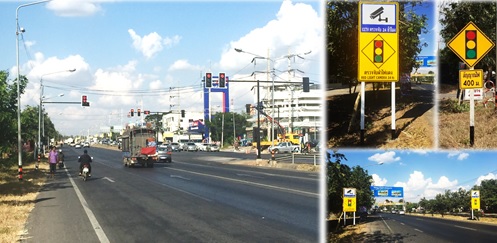
พฤติกรรมการฝ่าสัญญาณไฟแดงเป็นสาเหตุหนึ่งที่ทำให้เกิดอุบัติเหตุในบริเวณทางแยกที่มีการควบคุมโดยสัญญาณไฟจราจร สามแยกท่าพระ ตั้งอยู่ในเขตเทศบาลตำบลท่าพระ อ.เมือง จ.ขอนแก่น เป็นทางแยกหนึ่งที่ประสบปัญหาอุบัติเหตุทางถนนจากพฤติกรรมการฝ่าสัญญาณไฟแดง ด้วยเหตุนี้จังหวัดขอนแก่นจึงดำเนินการแก้ไขปัญหาโดยใช้มาตรการตรวจจับผู้ขับขี่ที่ฝ่าสัญญาณไฟแดง จากรูปถ่ายโดยกล้อง CCTV ซึ่งหลังจากมีการดำเนินมาตรการฯ ทำให้จำนวนอุบัติเหตุ จำนวนผู้บาดเจ็บและเสียชีวิตลดลงอย่างมีนัยสำคัญ ดังนั้นบทความนี้มีวัตถุประสงค์เพื่อศึกษาและอธิบายปัจจัยทางจิตวิทยาการจราจรที่มีอิทธิพลต่อความตั้งใจในการฝ่าสัญญาณไฟแดงของผู้ขับขี่โดยใช้ทฤษฎีพฤติกรรมตามแผน รวมถึงประเมินความเชื่อและปัจจัยที่เกี่ยวข้องกับการควบคุมพฤติกรรมการฝ่าสัญญาณไฟแดง การศึกษานี้สำรวจข้อมูลโดยใช้แบบสอบถามจำนวน 201 ตัวอย่าง วิเคราะห์และอธิบายความสัมพันธ์โดยใช้แบบจำลองสมการเชิงโครงสร้างตามหลักของทฤษฎีพฤติกรรมตามแผน ผลการศึกษาพบว่าแบบจำลองสามารถอธิบายความแปรปรวนของความตั้งใจในการฝ่าสัญญาณไฟแดงได้ร้อยละ 33 สำหรับปัจจัยหลัก และร้อยละ 52 เมื่อเพิ่มปัจจัยพฤติกรรมในอดีตและส่วนบุคคล ปัจจัยด้านการรับรู้การควบคุมพฤติกรรมมีอิทธิพลสูงสุดอย่างมีนัยสำคัญต่อความตั้งใจในการฝ่าสัญญาณไฟแดงของทั้งสองแบบจำลอง สำหรับด้านความเชื่อและปัจจัยควบคุมพฤติกรรม พบว่าความเชื่อเกี่ยวกับการใช้ความเร็วสูงเมื่อเข้าสู่ทางแยก ระยะเวลาของช่วงสัญญาณไฟเหลือง รวมถึงการติดตั้งสัญญาณไฟจราจรแบบแสดงตัวเลขนับถอยหลัง และการติดตั้งกล้อง CCTV มีสัดส่วนคะแนนที่มีผลต่อพฤติกรรมการฝ่าสัญญาณไฟแดงเป็นลำดับต้น ผลจากการศึกษานี้ช่วยให้เข้าใจความตั้งใจต่อพฤติกรรมการฝ่าไฟแดงมากยิ่งขึ้นและเป็นประโยชน์ต่อการพัฒนามาตรการความปลอดภัยทางถนน
Article Details
บทความที่ได้รับการตีพิมพ์เป็นลิขสิทธิ์ของ วารสารวิทยาศาสตร์และเทคโนโลยี มหาวิทยาลัยอุบลราชธานี
ข้อความที่ปรากฏในบทความแต่ละเรื่องในวารสารวิชาการเล่มนี้เป็นความคิดเห็นส่วนตัวของผู้เขียนแต่ละท่านไม่เกี่ยวข้องกับมหาวิทยาลัยอุบลราชธานี และคณาจารย์ท่านอื่นๆในมหาวิทยาลัยฯ แต่อย่างใด ความรับผิดชอบองค์ประกอบทั้งหมดของบทความแต่ละเรื่องเป็นของผู้เขียนแต่ละท่าน หากมีความผิดพลาดใดๆ ผู้เขียนแต่ละท่านจะรับผิดชอบบทความของตนเองแต่ผู้เดียว
