
ทัศนคติของกลุ่มคน Generation Z ต่อการทำงานในระบบราชการ
คำสำคัญ:
ทัศนคติ, กลุ่มคน Generation Z, ระบบราชการบทคัดย่อ
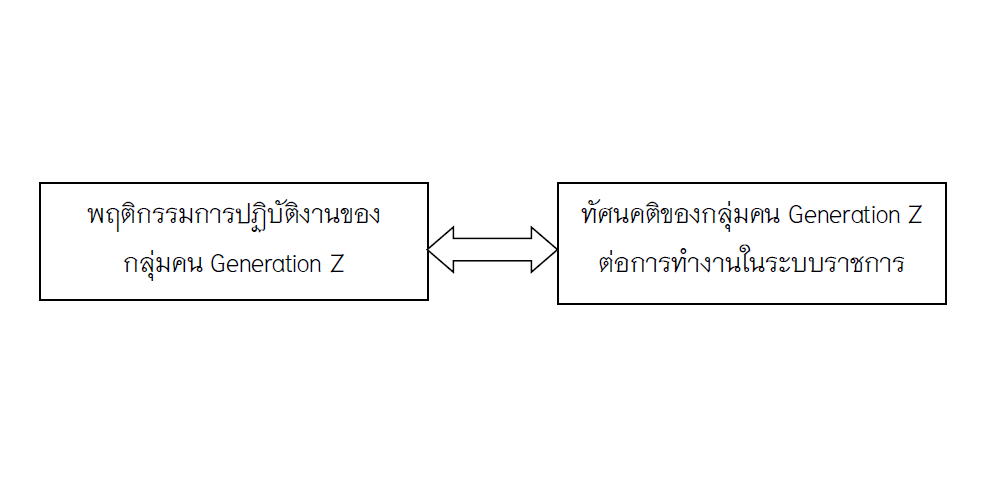
บทความวิจัยนี้มีวัตถุประสงค์ 1) เพื่อศึกษาพฤติกรรมการปฏิบัติงาน 2) ทัศนคติของกลุ่ม Generation Z ต่อการทำงานในระบบราชการ และ 3) ความสัมพันธ์ระหว่างพฤติกรรมการปฏิบัติงานกับทัศนคติที่มีต่อการทำงานในระบบราชการของกลุ่มคน Generation Z สำหรับกลุ่มตัวอย่าง คือ นักศึกษาระดับปริญญาตรี คณะพาณิชยศาสตร์และการจัดการ มหาวิทยาลัยสงขลานครินทร์ วิทยาเขตตรัง จำนวน 400 คน การวิจัยนี้เป็นการวิจัยเชิงปริมาณ เครื่องมือที่ใช้ ได้แก่ แบบสอบถาม สถิติที่ใช้ในการวิเคราะห์ข้อมูล คือ ค่าความถี่ ร้อยละ ค่าเฉลี่ย ส่วนเบี่ยงเบนมาตรฐาน และค่าสัมประสิทธิ์สหสัมพันธ์แบบเพียร์สัน
ผลการวิจัยพบว่า 1) ค่าเฉลี่ยภาพรวมของรูปแบบพฤติกรรมการปฏิบัติงานอยู่ในระดับมากที่สุด (M = 4.25, SD = 0.50) เมื่อพิจารณาเป็นรายข้อ 3 ลำดับแรกที่มีค่าเฉลี่ยสูงสุด ได้แก่ ความต้องการให้งานเสร็จอยู่เสมอ การมีบรรยากาศร่วมมือกันมากกว่าการแข่งขัน และมีความต้องการก้าวหน้าในอาชีพการงานที่ชัดเจน ตามลำดับ 2) ผลการศึกษาทัศนคติต่อการทำงานในระบบราชการ พบว่า ภาพรวมของทัศนคติต่อการทำงานในระบบราชการอยู่ในระดับมาก (M = 3.86, SD = 0.65) โดยเฉพาะการมีสวัสดิการและผลประโยชน์ การสร้างความภูมิใจทั้งต่อตนเองและครอบครัว และการได้รับค่าตอบแทนเหมาะสมกับหน้าที่ และ 3) ความสัมพันธ์ระหว่างพฤติกรรมการปฏิบัติงานกับทัศนคติที่มีต่อการทำงานในระบบราชการ พบว่า ความสัมพันธ์โดยรวม มีความสัมพันธ์ในทิศทางเดียวกันอย่างมีนัยสำคัญทางสถิติที่ระดับ .01 (r = 0.65, p =.00) ซึ่งมีค่าสัมประสิทธิ์สหสัมพันธ์อยู่ระหว่าง 0.25-0.54
Downloads
เอกสารอ้างอิง
กรมพัฒนาธุรกิจการค้า. (2564, 31 ธันวาคม). รายชื่อนิติบุคคลจัดตั้งใหม่และเลิกปี พ.ศ. 2564. https://www.dbd.go.th/news_view.php?nid=469412361
คุณิตา ไตรอังกูร. (2562). ปัจจัยที่มีอิทธิพลต่อการตัดสินใจเลือกเข้าทำงานในองค์กรของกลุ่ม Generation Z [วิทยานิพนธ์ปริญญามหาบัณฑิต]. มหาวิทยาลัยมหิดล.
จิตติรัตน์ แสงเลิศอุทัย. (2558). เครื่องมือที่ใช้ในการวิจัย. วารสารบัณฑิตศึกษา, 12(5), 22-33.
ชณัฎฎา อมรวงศ์ไพบูลย์. (2561). การตัดสินใจเข้ารับราชการของนิสิตชั้นปีที่ 4 มหาวิทยาลัยเกษตรศาสตร์ วิทยาเขตบางเขน. วารสารสหวิทยาการวิจัย: ฉบับบัณฑิตศึกษา, 7(1), 178-187.
ธิติมา ไชยมงคล. (2562, 19 ตุลาคม). รู้ทันปัญหา Gen Z เป็นเรื่องง่าย ๆ แค่เข้าใจ. https://www.prachachat.net/csr-hr/news-382415
ธีรภัทร ทองคำ และวลัยพร รัตนเศรษฐ. (2564). แรงจูงใจในการทำงานของพนักงานเจเนอเรชั่น X Y และ Z ในกรุงเทพมหานคร. วารสารบัณฑิตศึกษา มหาวิทยาลัยธุรกิจบัณฑิตย์, 9(3), 56-68.
เบญจธรรม ดิศกุล. (2558). การรับราชการ: แรงจูงใจในการบริการสาธารณะหรือสวัสดิการในองค์การ [วิทยานิพนธ์ปริญญามหาบัณฑิต]. มหาวิทยาลัยธรรมศาสตร์.
ปรียานุช วัฒนกูล. (2560). ค่านิยมในการรับราชการของข้าราชการยุคใหม่ในบริบทของความเปลี่ยนแปลง (รายงานการวิจัย). กรุงเทพฯ : สำนักวิจัยและพัฒนาระบบงานบุคคล สำนักงานคณะกรรมการข้าราชการพลเรือน.
พัชสิรี ชมภูคำ และณัฐธิดา จักรภีร์ศิริสุข. (2563). ปัจจัยที่มีอิทธิพลต่อความพึงพอใจและแรงจูงใจในการทำงาน: กรณีศึกษาเปรียบเทียบคนเจเนอเรชัน Y และเจเนอเรชัน Z ในเขตกรุงเทพมหานคร. จุฬาลงกรณ์ธุรกิจปริทัศน์, 42(165), 1-18.
เพ็ญนภา บุญหล้า. (2563). การตัดสินใจเลือกรับราชการของกลุ่ม Generation Z ในจังหวัดปราจีนบุรี [วิทยานิพนธ์ปริญญามหาบัณฑิต ไม่ได้ตีพิมพ์]. มหาวิทยาลัยรามคำแหง.
ศักดิ์ สุนทรเสณี. (2531). เจตคติ (พิมพ์ครั้งที่ 1). โรงพิมพ์พรุ่งวัฒนา.
ษมาวีร์ จันทร์อารีย์ และภูริวัจน์ ปุณยวุฒิปรีดา. (2562). ระบบราชการไทยกับข้าราชการในประเทศไทย 4.0. วารสารบัณฑิตแสงโคมคำ, 4(2), 218-232.
เสมอ นิ่มเงิน. (2564, 1 ธันวาคม). Generation กับพฤติกรรมการรับข่าวสารผ่านสื่อต่าง ๆ. http://edoc.mrta.co.th/HRD/Attach/1566372710_1.pdf
สำนักงานคณะกรรมการข้าราชการพลเรือน. (ม.ป.ป.) ความสัมพันธ์ระหว่างพฤติกรรมการปฏิบัติงานของกลุ่มคน Generation z กับทัศนคติที่มีต่อการทำงานในระบบราชการ. https://shorturl.asia/W6Ea9
สำนักงานเศรษฐกิจการคลัง กระทรวงการคลัง. (2564, 30 พฤศจิกายน). บทบาทของกลุ่ม Generation Z ต่อการพัฒนาประเทศ. http://www.fpo.go.th.
สำนักงานสถิติแห่งชาติ. (2564, 15 ตุลาคม). การสำรวจภาวะการทำงานของประชากรทั่วราชอาณาจักรไตรมาสที่ 3 : กรกฎาคม-กันยายน 2564. จาก http://www.nso.go.th/sites/2014/DocLib13/32564/full_report_q3_64.pdf
สำนักงานสถิติแห่งชาติ. (2565, 31 ธันวาคม). จำนวนประชากรประจำปี พ.ศ. 2564 จำแนกตามอายุ. http://www.nso.go.th
อภิณัฏฐ์ ทรัพย์มาก และเนตรนภา ไวทย์เลิศศักดิ์ (ยาบุชิตะ). (2559). ปัจจัยจูงใจในการเลือกอาชีพรับราชการ ก่อนและหลังการประกาศใช้พระราชบัญญัติระเบียบข้าราชการพลเรือน พ.ศ. 2552 : กรณีศึกษาสำนักงานคณะกรรมการการศึกษาขั้นพื้นฐาน กระทรวงศึกษาธิการ. วารสารบริหารธุรกิจ เศรษฐศาสตร์และการสื่อสาร, 11(1), 83-97.
อัมพร ธำรงลักษณ์. (2561). องค์การ : ทฤษฎี โครงสร้างและการออกแบบ (พิมพ์ครั้งที่ 3). โรงพิมพ์มหาวิทยาลัยธรรมศาสตร์.
Cronbach, L. J. (1970). Essentials of psychological test (5th ed.). Harper Collins.
Maslow, A. H. (1943). A Theory of Human Motivation. Psychological Review, 50(4), 370–396.
McCann World Group. (2022, September 30). The truth about Gen Z. https://truthaboutgenz.mccannworldgroup.com/p/1
Patitta, T. (2564, 9 กรกฎาคม). พฤติกรรมของ GENERATION Z ในบทบาทใหม่กับการขับเคลื่อนทางสังคม. https://www.zipeventapp.com
Yamane, T. (1973). Statistic: An introductory analysis (3rd ed.). Harper & Row.
ดาวน์โหลด
เผยแพร่แล้ว
รูปแบบการอ้างอิง
ฉบับ
ประเภทบทความ
สัญญาอนุญาต
ลิขสิทธิ์ (c) 2023 มหาวิทยาลัยราชภัฏจันทรเกษม

อนุญาตภายใต้เงื่อนไข Creative Commons Attribution-NonCommercial-NoDerivatives 4.0 International License.
บทความที่ได้รับการตีพิมพ์เป็นลิขสิทธิ์ของมหาวิทยาลัยราชภัฏจันทรเกษม
ข้อความที่ปรากฏในบทความแต่ละเรื่องในวารสารวิชาการเล่มนี้เป็นความคิดเห็นส่วนตัวของผู้เขียนแต่ละท่านไม่เกี่ยวข้องกับมหาวิทยาลัยราชภัฎจันทรเกษม และคณาจารย์ท่านอื่นๆในมหาวิทยาลัยฯ แต่อย่างใด ความรับผิดชอบองค์ประกอบทั้งหมดของบทความแต่ละเรื่องเป็นของผู้เขียนแต่ละท่าน หากมีความผิดพลาดใดๆ ผู้เขียนแต่ละท่านจะรับผิดชอบบทความของตนเองแต่ผู้เดียว