
การประยุกต์หลักการอิคิไกเพื่อการพัฒนาประสิทธิภาพของตัวแทนประกันชีวิต
คำสำคัญ:
การประยุกต์, อิคิไก, การพัฒนาประสิทธิภาพ, ตัวแทนประกันชีวิตบทคัดย่อ
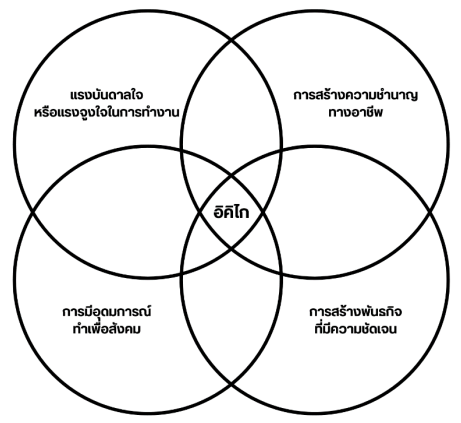
บทความนี้มีวัตถุประสงค์เพื่อนำเสนอการประยุกต์ใช้หลักการอิคิไกเพื่อการพัฒนาประสิทธิภาพของตัวแทนประกันชีวิต ซึ่งเป็นหลักแนวคิดเชิงปรัชญาของญี่ปุ่นเกี่ยวกับคุณค่าของการมีชีวิต ทั้งนี้การทำงานของตัวแทนประกันชีวิตจะต้องมีทั้งทักษะด้านวิชาชีพ การให้บริการ และการแก้ไขปัญหา บนพื้นฐานของความถูกต้องตามมาตรฐานจรรยาบรรณ และศีลธรรมของตัวแทนประกันชีวิต ซึ่งตัวแทนประกันชีวิตถือเป็นหนึ่งในช่องทางการขายที่มีความสำคัญอย่างมากในธุรกิจประกันชีวิต การพัฒนาประสิทธิภาพของตัวแทนประกันชีวิตจึงเป็นสิ่งที่ต้องคำนึงถึงเช่นกัน เพื่อตอบสนองความต้องการของผู้ใช้บริการ โดยการนำหลักอิคิไกไปประยุกต์ใช้ในการพัฒนาประสิทธิภาพตัวแทนประกันชีวิตสามารถทำได้ ดังนี้ 1) การสร้างแรงบันดาลใจหรือแรงจูงใจในการทำงาน 2) การสร้างความชำนาญทางอาชีพ 3) การมีอุดมการณ์ทำเพื่อสังคม และ 4) การสร้างพันธกิจที่มีความชัดเจน ซึ่งถือเป็นการพัฒนาประสิทธิภาพของตัวแทนประกันชีวิตที่เริ่มต้นจากกระบวนการแนวคิดภายในจนนำไปสู่ผลลัพธ์ในการปฏิบัติภายนอก เพื่อนำไปสู่การพัฒนาประสิทธิภาพตัวแทนประกันชีวิตอย่างเหมาะสม มีประสิทธิภาพและยั่งยืน
Downloads
เอกสารอ้างอิง
สมาคมประกันชีวิตไทย. (2567, 4 กันยายน). รายงานธุรกิจประกันชีวิต ประจำปี 2566. https://shorturl.asia/oSjeY
สำนักงานคณะกรรมการกำกับและส่งเสริมการประกอบธุรกิจประกันภัย. (2567, 30 มิถุนายน). สถิติจำนวนใบอนุญาตตัวแทน–นายหน้าประกันภัยประเภทบุคคลธรรมดา. https://www.oic.or.th/th/insurance-agent-broker
Allianz Research. (2024, May 23). Allianz Global Insurance Report 2024: Transformative years Ahead for the insurance sector. https://shorturl.asia/kOtjo
Dreyfus, S. E. (2004). The ethical implications of the five-stage skill-acquisition model. Bulletin of Science, Technology and Society, 24(3), 251–264.
McClelland, D. C. (1973). Testing for Competence Rather Than Intelligence. American Psychologist, 28, 1-14.
Mori, K., Kaiho, Y., Tomata, Y., Narita, M., Tanji, F., Sugiyama, K., & Tsuji, I. (2017). Sense of life worth living (ikigai) and incident functional disability in elderly Japanese: The Tsurugaya Project. Journal of Psychosomatic Research, 95, 62-67.
Ryan, R. M., & Deci, E. L. (2000). Self-determination theory and the facilitation of intrinsic Tsurugaya Project: Corrigendum. Journal of Psychosomatic Research, 95, 96–106.
Wilkes, J., Garip, G., Kotera, Y., & Fido, D. (2023). Can ikigai predict anxiety, depression, and well-being. International Journal of Mental Health and Addiction, 21, 2941-2953.
ดาวน์โหลด
เผยแพร่แล้ว
รูปแบบการอ้างอิง
ฉบับ
ประเภทบทความ
สัญญาอนุญาต
ลิขสิทธิ์ (c) 2025 มหาวิทยาลัยราชภัฏจันทรเกษม

อนุญาตภายใต้เงื่อนไข Creative Commons Attribution-NonCommercial-NoDerivatives 4.0 International License.
บทความที่ได้รับการตีพิมพ์เป็นลิขสิทธิ์ของมหาวิทยาลัยราชภัฏจันทรเกษม
ข้อความที่ปรากฏในบทความแต่ละเรื่องในวารสารวิชาการเล่มนี้เป็นความคิดเห็นส่วนตัวของผู้เขียนแต่ละท่านไม่เกี่ยวข้องกับมหาวิทยาลัยราชภัฎจันทรเกษม และคณาจารย์ท่านอื่นๆในมหาวิทยาลัยฯ แต่อย่างใด ความรับผิดชอบองค์ประกอบทั้งหมดของบทความแต่ละเรื่องเป็นของผู้เขียนแต่ละท่าน หากมีความผิดพลาดใดๆ ผู้เขียนแต่ละท่านจะรับผิดชอบบทความของตนเองแต่ผู้เดียว