
Evaluation of the Efficiency of the Prototype of the Karanda Punching and Splitting Machine
Article Sidebar
Main Article Content
Abstract
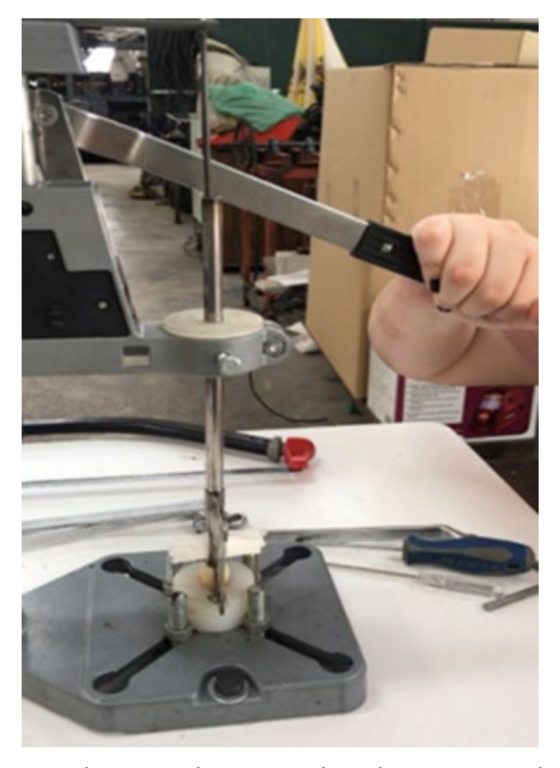
The purpose of this project is design, fabrication and efficiency evaluation of the karanda punching and splitting machine by using engineering knowledge to prepare karanda before being processed into other products by the machine consists of 3 important parts are frame, drill stand and indenter set which consists of the indenter, blade set, seed pusher and socket. The operation principle is to place karanda in the socket to support the fruit vertically. And there is pressure from the lever, this allows the indenter to punching to remove seeds and splitting with the blade at the same time. The test was conducted by timing of splitting and removing the seeds within 1 hour of 60 times which were divided into tests by splitting and removing the seeds by human labor 30 times and using the karanda punching and splitting machine 30 times. The karanda were weighed on a digital scale to measure the amount of fruit. The results showed that the karanda punching and splitting machine has an average production capability of 1.08 kilogram per hour and an average production efficiency was 60.29%. Splitting and removing the seeds by human labor has an average production capability of 0.57 kilogram per hour. The average production efficiency was 86.58%. It shows that the average production capability from the karanda punching and splitting machine compared with the human labor, was increased by 0.51 kilogram per hour and the average production efficiency from the karanda punching and splitting machine compared with the human labor, was decreased by 26.29 percent. The results of economic analysis showed the karanda punching and splitting machine has a break-even point at productivity by 47.95 kilogram and can pay back in 6 days when using the machine to work 8 hours a day.
Article Details

This work is licensed under a Creative Commons Attribution-NonCommercial-NoDerivatives 4.0 International License.
Articles in this journal are copyrighted by the x may be read and used for academic purposes, such as teaching, research, or citation, with proper credit given to the author and the journal.use or modification of the articles is prohibited without permission.
statements expressed in the articles are solely the opinions of the authors.
authors are fully responsible for the content and accuracy of their articles.
other reuse or republication requires permission from the journal."
References
จุฑามาส สื่อประสาร, ทานตะวัน พิรักษ์, ศิริพร เรียบร้อย.2556. การศึกษาสภาวะที่เหมาะสมสำหรับการสกัดสารแอนโทไซยานินจากผลหนามแดง. เรื่องเต็มการประชุมทางวิชาการของมหาวิทยาลัยเกษตรศาสตร์ ครั้งที่ 51: สาขาส่งเสริมการเกษตรและคหกรรมศาสตร์, สาขาอุตสาหกรรมเกษตร. 193-200.กรุงเทพฯ: สำนักงานกองทุนสนับสนุนการวิจัย. 5-7 ก.พ. 2556,กรุงเทพฯ.
สกุลกานต์ สิมลา. 2559. มะนาวโห่: พืชในวรรณคดีไทยที่มากมายด้วยประโยชน์. แก่นเกษตร 44(ฉบับพิเศษ 3), 557-566.
MGR Online. 2557. มาแรงจริง “มะม่วงหาว มะนาวโห่”มหัศจรรย์สมุนไพรแบบไม้ประดับ (มุมเกษตร). แหล่งข้อมูล: https://mgronline.com/smes/detail/9570000096581.เข้าถึงเมื่อ 19 พฤษภาคม 2566
