
Development of Learning Activities Based on Micro Learning In the Civics, Culture and Social Life Course for Mathayomsuksa 2
Keywords:
Micro Learning, Learning Activities, Learning Achievement, Civics Culture and Social Life CourseAbstract
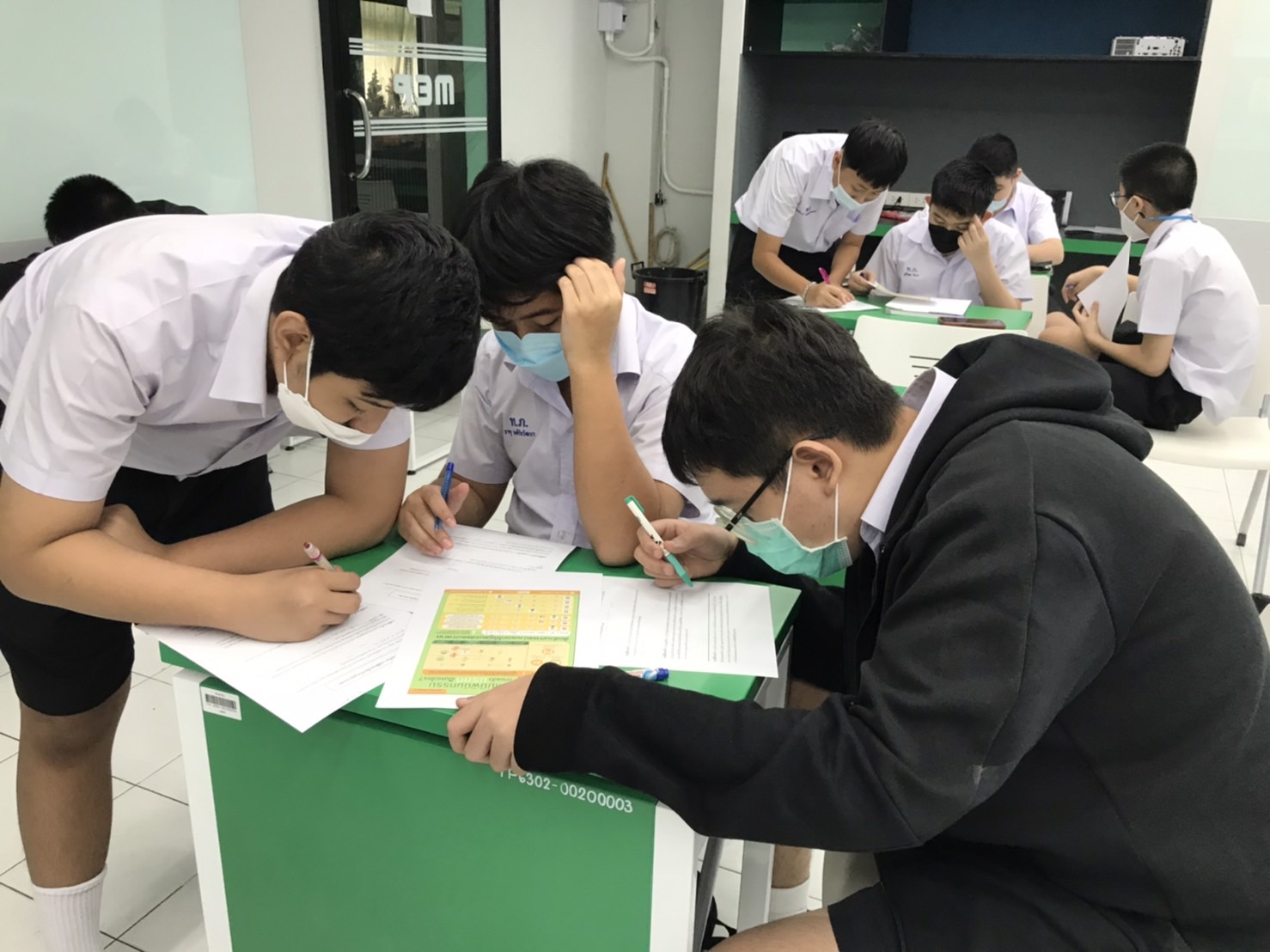
The purposes of this research were to: 1) develop the learning activities based on Micro Learning on civics, culture and social life course for Mathayomsuksa 2 students at Taweethapisek School; 2) study the learning achievement of Mathayomsuksa 2 students using Micro Learning activities; and 3) study the satisfaction of students towards Micro Learning activities. This research was conducted in the research and development process. The sample of this research consisted of 30 students of the Mathayomsuksa 2/12 Students at Taweethapisek School chosen by purposive sampling technique.
The findings were as follows. 1) The development of learning activities based on Micro Learning in the civics, culture and social life course for Mathayomsuksa 2 students consisted of 4 units at the highest level include learning activities quality, instruction material quality, and evaluation quality (M= 4.68, SD = 0.48) by 5 experts in curriculum and instruction as assessors. 2) All students passed the achievement assessment according to the learning objectives at excellent level (average scores 92.26 percent). In addition, they also passed the achievement assessment by using learning achievement test at good and excellent level (scores 76.00–90.00 percent), and had excellent assessment result in learning behavior and commitment to work assessment (average scores 99.10 percent) by using behavioral assessment form. Furthermore, they all had excellent assessment result in competency assessment (average scores 94.50 percent) by using competency
assessment form. 3) The students were highly satisfied with learning activities based on Micro Learning.
Downloads
References
กนก จันทร์ทอง. (2560). การสอนสังคมศึกษาในศตวรรษที่ 21. วารสารวิทยบริการ มหาวิทยาลัยสงขลานครินทร์, 28(2), 227-241.
คณะกรรมการยุทธศาสตร์ชาติ. (2561). ยุทธศาสตร์ชาติพ.ศ. 2561-2580. สืบค้นเมื่อ 10 มกราคม 2564, จาก http://www.ratchakitcha.soc.go.th/DATA/PDF/2561/A/082/T_0001.PDF
ชนันพัฒน์ วรรณวิจิตร. (2561). การพัฒนาชุดกิจกรรมวิชาหน้าที่พลเมืองโดยใช้การเรียนรู้แบบร่วมมือเทคนิค LT สำหรับนักเรียนชั้นมัธยมศึกษาปีที่ 6 (วิทยานิพนธ์ปริญญามหาบัณฑิต). มหาวิทยาลัยราชภัฏบุรีรัมย์, บุรีรัมย์.
ธารีย์ณิชา ลีพีรวิทิต. (2559). การเพิ่มประสิทธิผลการเรียนรู้ของเจนเนอเรชันแซตผ่านการเรียนรู้แบบไมโคร (วิทยานิพนธ์ปริญญามหาบัณฑิต). มหาวิทยาลัยเทคโนโลยีพระจอมเกล้าธนบุรี, กรุงเทพฯ.
พรสวรรค์ ตันมงคลกาญจน.(2553). การพัฒนาผลการเรียนรู้เรื่องพลเมืองดีในวิถีชีวิตประชาธิปไตยของนักเรียนที่มีความบกพร่องทางการได้ยิน ชั้นมัธยมศึกษาปีที่ 4 ที่จัดการเรียนรู้ด้วยเทคนิค STAD ร่วมกับเทคนิค NH (วิทยานิพนธ์ปริญญามหาบัณฑิต). มหาวิทยาลัยศิลปากร, นครปฐม.
ลัดดาวัลย์ คงสมบูรณ์. (2562). การพัฒนาไมโครเลิร์นนิง สำหรับนักศึกษาระดับประกาศนียบัตรวิชาชีพชั้นสูง วิทยาลัยอาชีวศึกษาเอกชน ในเขตกรุงเทพมหานคร. วารสารวิชาการ มหาวิทยาลัยกรุงเทพธนบุรี, 8(2), 51-62.
วิชญา นรถี. (2552). การพัฒนาการคิดวิเคราะห์วิชาสังคมศึกษาโดยใช้กรณีศึกษาของนักเรียน ชั้นมัธยมศึกษาปี ที่ 2 (วิทยานิพนธ์ปริญญามหาบัณฑิต). มหาวิทยาลัยธุรกิจบัณฑิต, กรุงเทพฯ.
ศยามน อินสะอาด. (2561). การออกแบบ e-learning เพื่อพัฒนาทักษะการคิดขั้นสูง. กรุงเทพฯ: ซีเอ็ดยูเคชั่น.
สรลักษณ์ ลีลา. (2561). การจัดการเรียนรู้แบบจุลภาคด้วยหนังสือมีชีวิตเพื่อส่งเสริมการคิดเชิงประมวลผล (วิทยานิพนธ์ปริญญามหาบัณฑิต). มหาวิทยาลัยเทคโนโลยีพระจอมเกล้าพระนครเหนือ, กรุงเทพฯ.
สำนักทดสอบทางการศึกษา. (2555). คู่มือประเมินสมรรถนะสำคัญของผู้เรียนระดับการศึกษาขั้นพื้นฐาน ตามหลักสูตรแกนกลางการศึกษาขั้นพื้นฐาน พุทธศักราช 2551 ชั้นมัธยมศึกษาปีที่ 3. กรุงเทพ: โรงพิมพ์สำนักงานพระพุทธศาสนาแห่งชาติ.
สำนักวิชาการและมาตรฐานการศึกษา. (2551). ตัวชี้วัดและสาระการเรียนรู้แกนกลาง กลุ่มสาระการเรียนรู้สังคมศึกษา ศาสนาและวัฒนธรรม. กรุงเทพฯ: โรงพิมพ์ชุมนุมสหกรณ์การเกษตรแห่งประเทศไทย.
โสภิณ ศิริคำน้อย. (2554). การพัฒนาแผนการจัดการเรียนรู้สาระหน้าที่พลเมืองวัฒนธรรมและการดำเนินชีวิตในสังคม โดยเทคนิคการใช้คำถามเพื่อส่งเสริมการคิดวิเคราะห์ของนักเรียน ชั้นมัธยมศึกษาปีที่ 4 โรงเรียนลำปางกัลยาณี (การค้นคว้าอิสระปริญญามหาบัณฑิต). มหาวิทยาลัยเชียงใหม่, เชียงใหม่.
Katambur, D. (2019). Microlearning Design: 7 Must-Have Characteristics. Retrieved February 16, 2021, from https://blog.commlabindia.com/elearning-design/microlearning-design-characteristics
Malamed, C. (2015). A Closer Look at Bite-sized Learning. Retrieved January 29, 2021, from http://theelearningcoach.com/elearning2-0/what-is-Microlearning
Mohammed, G. S., Wakil, K., & Nawroly, S. S. (2018). The effectiveness of microlearning to improve students’ learning ability. International Journal of Educational Research Review, 3(3), 17-23.
Simonenko, T., & Nikitska, Y. (2019). Formation of the key language competence of future teachers of Ukrainian language and liturature by the use of the digital technology of microlearning. E-Learning and STEM Education, 11, 503-505.
Downloads
Published
How to Cite
Issue
Section
License
Copyright (c) 2022 Chandrakasem Rajabhat University

This work is licensed under a Creative Commons Attribution-NonCommercial-NoDerivatives 4.0 International License.
บทความที่ได้รับการตีพิมพ์เป็นลิขสิทธิ์ของมหาวิทยาลัยราชภัฏจันทรเกษม
ข้อความที่ปรากฏในบทความแต่ละเรื่องในวารสารวิชาการเล่มนี้เป็นความคิดเห็นส่วนตัวของผู้เขียนแต่ละท่านไม่เกี่ยวข้องกับมหาวิทยาลัยราชภัฎจันทรเกษม และคณาจารย์ท่านอื่นๆในมหาวิทยาลัยฯ แต่อย่างใด ความรับผิดชอบองค์ประกอบทั้งหมดของบทความแต่ละเรื่องเป็นของผู้เขียนแต่ละท่าน หากมีความผิดพลาดใดๆ ผู้เขียนแต่ละท่านจะรับผิดชอบบทความของตนเองแต่ผู้เดียว