
The Interior Architectural Forms of Preschool Child Development Centers in Bangkok that Promote the Learning Environment of Early Childhood Children According to the Brain-Based Learning Approach
Keywords:
Interior Architecture Design, Preschool Child Development Centers, Brain-Based Learning ApproachAbstract
The objectives of this research paper were 1) to study the interior architectural forms of preschool child development centers in Bangkok that promote the learning environment of early childhood according to the brain-based learning approach, and 2) to propose the interior design guidelines for preschool child development centers in Bangkok in order to enhance the learning environment of early childhood according to the brain-based learning approach. The documentary research technique was employed in this qualitative study using data recording forms and design summary forms to collect data from related documents, textbooks, research studies, and research articles.
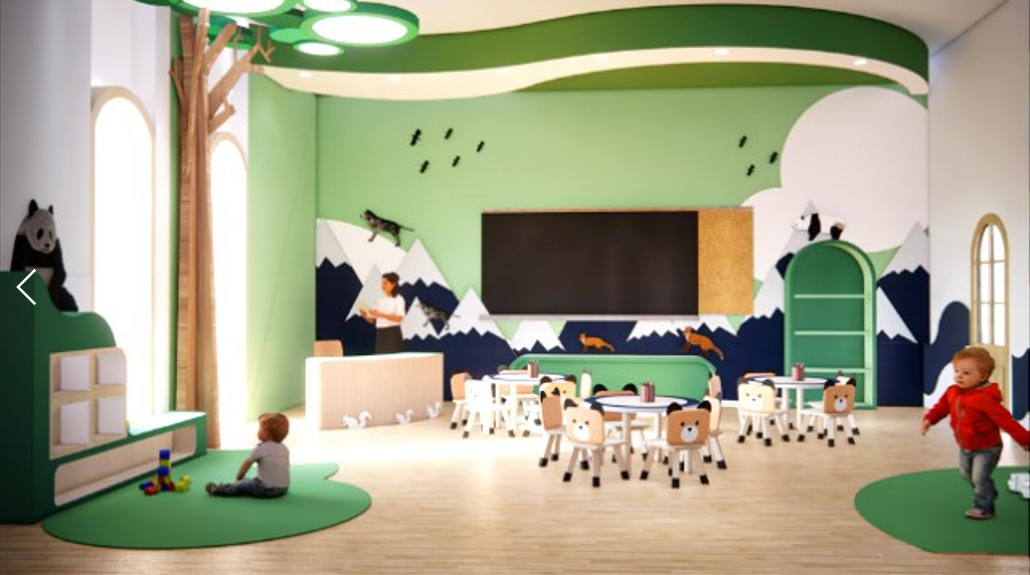
The findings of this research are as follows. 1) The interior architectural forms of preschool child development centers were not conducive to the learning environment of children, such as the placement of learning media, the use of wall colors and furniture materials, and inflexible activity areas. In addition to the foci on teachers, learning media, and curriculum, it was considered essential to pay attention to the physical environment, one of the factors that influence and affect children’s development in various aspects. 2) According to the brain-based learning approach, psychological concepts, theories, and colors should be applied to design the interior architecture of each room in accordance with children’s activities and brain development. Moreover, to promote children’s learning and perception, all relevant graphics, such as animal and tree images, should be designed to stimulate children’s interests, foster a learning atmosphere, and improve recognition skills.
Downloads
References
กระทู้ถามที่ 218/ร. (2564, 24 กุมภาพันธ์). ราชกิจจานุเบกษา. เล่มที่ 138 ตอนพิเศษ 43ง, หน้า 66-69.
เกศสุดา ใจคำ. (2552). การเรียนรู้โดยใช้สมองเป็นฐาน: (Brain-Based Learning). วารสารวิชาการมหาวิทยาลัยฟาร์อีสเทอร์น, 3(1), 62-70.
จีระพันธุ์ พูลพัฒน์. (2558). การจัดการเรียนการสอนสำหรับเด็กปฐมวัยตามแนวคิดของมอนเตสซอรี่. กรุงเทพฯ: จุฬาลงกรณ์มหาวิทยาลัย.
นัฎฐิกา นวพันธุ์. (2560). การออกแบบสถาปัตยกรรมและพื้นที่สำหรับเด็กปฐมวัยตามแนวการสอนแบบมอนเตสซอรี. วารสารวิชาการคณะสถาปัตยกรรมศาสตร์ สจล, 25(2), 11-23.
นิพัทธา หรรนภา. (2565). สภาพแวดล้อมและกิจกรรมการเรียนรู้สำหรับเด็กปฐมวัย. วารสารคณะมนุษยศาสตร์และสังคมศาสตร์ มหาวิทยาลัยมหาสารคาม, 7(2), 57-72.
พรเทพ ศิริวนารังสรรค์. (2564). รายงานผลการศึกษาของคณะกรรมการวิสามัญศึกษาแนวทางเพื่อกำหนดมาตรฐานสถานพัฒนาเด็กปฐมวัยของกรุงเทพมหานคร. กรุงเทพฯ: สภากรุงเทพมหานคร.
ภัทรพร เล้าวงค์, สุนิสา คำแก้ว, เมฆขลา ทองวิไล และปาริชาติ เปิ้นวงษ์. (2562). แนวทางการขยายผลการจัดการเรียนรู้อย่างมีคุณภาพในสถานพัฒนาเด็กปฐมวัย กรณีศึกษา: การพัฒนาคุณภาพศูนย์พัฒนาเด็กเล็กขององค์กรปกครองส่วนท้องถิ่น. กรุงเทพฯ: สำนักงานสภาพัฒนาการเศรษฐกิจและสังคมแห่งชาติ.
วิศณี ไชยรักษ์ และขวัญจิต รัตนวรรณนุกูล. (2557). การออกแบบสถาปัตยกรรมภายในห้องเรียนเด็กปฐมวัยโดยใช้การเรียนรู้แบบใช้สมองเป็นพื้นฐาน. วารสารวิชาการคณะสถาปัตยกรรมศาสตร์ สจล, 18(1), 105-121.
วีระชาติ กิเลนทอง. (2563). รายงานสถานการณ์ความเหลื่อมล้ำทางการศึกษาและคุณภาพทรัพยากรมนุษย์ไทยตามช่วงวัย. [รายงานการสำรวจ]. สืบค้นเมื่อ 20 กรกฎาคม 2563 จาก https://www.bangkokbiznews.com/lifestyle/890148
สุวิทย์ เมษินทรีย์. (2557). รายงานการวิจัย แนวทางการพัฒนาการศึกษาไทยกับการเตรียมความพร้อมศตวรรษที่ 21. กรุงเทพฯ: สำนักงานเลขาธิการสภาการศึกษา.
องค์การยูนิเซฟแห่งประเทศไทยและสำนักงานสถิติแห่งชาติ. (2559). รายงานฉบับสมบูรณ์การสำรวจสถานการณ์เด็กและสตรีในประเทศไทย พ.ศ. 2558-2559. กรุงเทพฯ: สำนักงานสถิติแห่งชาติ.
อรอนงค์ ฤทธิ์ฤาชัย, สัญชัย สันติเวช และนิธิวดี ทองป้อง. (2560). จิตวิทยาสีกับห้องเรียน BBL. วารสารศึกษาศาสตร์ มหาวิทยาลัยขอนแก่น, 40(1), 1-14.
อริสลา บุญโพธิ์เตี้ย. (2564). โครงการเสนอแนะออกแบบสถาปัตยกรรมภายในศูนย์พัฒนาเด็กเล็กปฐมวัยสำหรับเด็กด้อยโอกาส (วิทยานิพนธ์ปริญญามหาบัณฑิต). มหาวิทยาลัยเทคโนโลยีราชมงคลรัตนโกสินทร์, นครปฐม.
Abdul-Samad, Z. & Macmillan, S.G. (2004). Improving Design Quality and Value in the Built Environment through Knowledge of Intangibles. In 2004 IEEE International Engineering Management Conference (pp.349-373). Singapore. Industrial Engineering and Engineering Management.
Bandura, A. (2012). Social cognitive theory. In: P. A. M. Van Lange, A. W. Kruglanski, & E. T. Higgins, (editors), Handbook of Theories of Social Psychology. (pp.349-373). Sage Publications.
Hulshof, B. (2013). The Influence of Colour and Scent on People’s Mood and Cognitive Performance in Meeting Rooms. (Master’s thesis). University of Twente, Enschede.
Kwallek, N., & Lewis, C. M. (1990). Effects of Environmental Colour on Males and Females: A Red or White or Green Office. Applied Ergonomics, 21(4), 275–278.
Savage, T.V., & Savage, M. K. (2010). Successful Classroom Management and Discipline: Teaching Self-Control and Responsibility (3rd Ed.). Los Angeles: SAGE Publications, Inc.
Sebba, R., & Churchman, A. (1986). Schoolyard Design as an Expression of Educational Principles. Children's Environments Quarterly, 3(3), 70–76.
Shawket, I. M. (2016). Educational Methods Instruct Outdoor Design Principles: Contributing to a Better Environment. Procedia Environmental Sciences, 34, 222-232.
Wood, S. E., Wood, E.G. & Boyd, D. (2008). Mastering the world of psychology (3rd ed.). Boston, M.A.: Pearson.
Downloads
Published
How to Cite
Issue
Section
License
Copyright (c) 2022 Chandrakasem Rajabhat University

This work is licensed under a Creative Commons Attribution-NonCommercial-NoDerivatives 4.0 International License.
บทความที่ได้รับการตีพิมพ์เป็นลิขสิทธิ์ของมหาวิทยาลัยราชภัฏจันทรเกษม
ข้อความที่ปรากฏในบทความแต่ละเรื่องในวารสารวิชาการเล่มนี้เป็นความคิดเห็นส่วนตัวของผู้เขียนแต่ละท่านไม่เกี่ยวข้องกับมหาวิทยาลัยราชภัฎจันทรเกษม และคณาจารย์ท่านอื่นๆในมหาวิทยาลัยฯ แต่อย่างใด ความรับผิดชอบองค์ประกอบทั้งหมดของบทความแต่ละเรื่องเป็นของผู้เขียนแต่ละท่าน หากมีความผิดพลาดใดๆ ผู้เขียนแต่ละท่านจะรับผิดชอบบทความของตนเองแต่ผู้เดียว