
Mutelu in Thai Society: Behavioral Science Perspectives
Keywords:
Mutelu, Thai Society, Behavioral ScienceAbstract
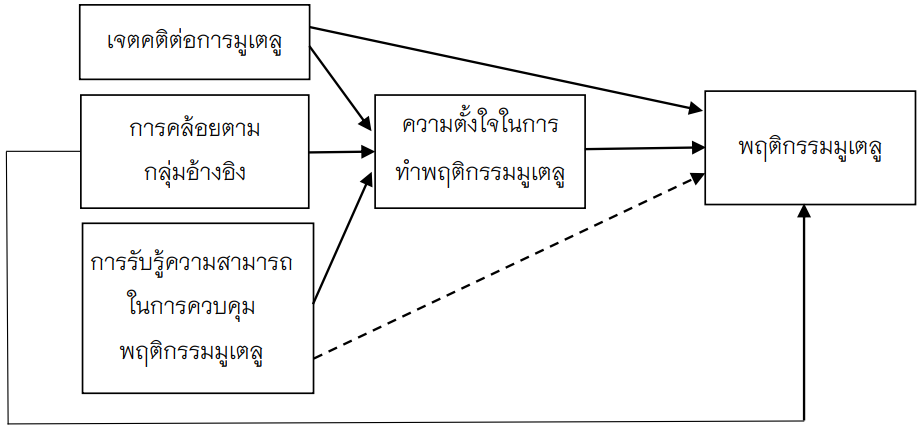
The phenomenon of Mutelu has gained significant attention and popularity in contemporary Thai society, influencing various aspects of people's lives, including fashion, daily routines, travel, and residential choices. This article aims to explore Mutelu from a behavioral science perspective, synthesizing knowledge from academic sources, such as books, journals, and research studies, both domestic and international. Key trends and behavioural patterns associated with individuals engaged in Mutelu practices could be observed here and commonly referred to as the "Saimu" group. Ajzen’s Theory of Planned Behavior (TPB) has been adopted as foundation of this present analysis. The TPB theory provides a framework for understanding the beliefs, intentions, and actions of Saimu practitioners. It could further be observed in key findings that Mutelu has been found resonating across all demographic groups, with a notable prevalence among women (70.00) compared to men (30.00). The primary areas of interest in Mutelu practices could be found involving love and attraction (40.00), financial prosperity and luck (35.00), and career, health, and other domains (25.00). This article underscores the importance of fostering rational belief systems, termed "Buddhicharita," to encourage critical thinking and ethical decision-making. It advocates for integrating Mutelu-related beliefs as a tool for self-improvement and as a psychological anchor, emphasizing the need to distinguish between beneficial beliefs and those that may exploit others. In conclusion, Mutelu could be considered a dynamic and expanding phenomenon in Thai society, rooted in belief systems that require critical evaluation and ethical management. By cultivating rational and informed perspectives, individuals could possibly leverage Mutelu practices constructively for societal harmony and personal development.
Downloads
References
กรมการศาสนา. (2552). พิธีกรรมและประเพณี. โรงพิมพ์ชุมนุมสหกรณ์การเกษตรแห่งประเทศไทย จำกัด.
กวินณา บุญทิพย์. (2565, 29 พฤษภาคม). แผนธุรกิจ MAMAMU (มามามู) แพลตฟอร์มออนไลน์ที่ให้บริการด้านความเชื่อ. https://archive.cm.mahidol.ac.th/handle/123456789/4758
กิตติ วัฒนะมหาตม์. (2549). คู่มือบูชาเทพ. สร้างสรรค์บุ๊คส์.
ขวัญจิต ศศิวงศาโรจน์. (2566). มูเตลู : การเท่าทันสื่อ. วารสาร ICEM E-Bulletin. (4), 1-3.
คณะจิตวิทยา. (2567, 6 ตุลาคม). การปรึกษาเชิงจิตวิทยาแนวพุทธ (Buddhist-Counselling). https://www.psy.chula.ac.th/en/feature-articles/buddhist-counseling/m
จักราพิชญ์ อัตโน. (2565). ตำราพรหมชาติ (พิมพ์ครั้งที่ 2). บริษัท วารา พับลิชชิ่ง จำกัด.
เฉลิมทศพล เจริญสุข. (ม.ป.ป.). พระพิฆเนศฉบับสมบูรณ์. บริษัทสำนักพิมพ์ เพชรกะรัต จำกัด.
ณฐณัช แก้วผลึก. (2561). การปรึกษาทางโหราศาสตร์ตามแนวพุทธจิตวิทยาเพื่อลดความทุกข์ [วิทยานิพนธ์พุทธศาสนดุษฎีบัณฑิต]. มหาวิทยาลัยมหาจุฬาลงกรณราชวิทยาลัย.
ณิชมน สาริพันธ์, จรัส ลีกา, พระมหาไพรฑูรย์ สิริธมฺโม และพระมหาจิณกมล อภิรตโน (เป็นสุข). (2564). โหราศาสตร์กับการดำเนินชีวิต. วารสารบัณฑิตศึกษามหาจุฬาขอนแก่น. 8(4), 58-68.
ไทยรัฐออนไลน์. (2565ก, 15 พฤษภาคม). เปิดที่มา “มูเตล” คืออะไร ทำไมใครๆ ก็หันมาเป็นสายมู. https://www.thairath.co.th/horoscope/belief/2355760
ไทยรัฐออนไลน์. (2565ข, 19 พฤษภาคม). เปิดใจสายมูยุคดิจิทัลมาแรงแต่ทำไมคนยุคใหม่ยังอินเรื่องดวง. https://www.thairath.co.th/lifestyle/life/2294431
ไทยรัฐออนไลน์. (2565ค, 29 พฤษภาคม). เศรษฐกิจสายมู ซอฟต์พาวเวอร์ไทย เจาะตลาดต่างชาติ อยากสมหวัง ได้ดั่งใจ. https://www.thairath.co.th/scoop/culture/2651061
นราบดินทร์ ศิริวารินทร์. (2563). การออกแบบและพัฒนาเครื่องประดับแหวนมงคลตามหลักเลขศาสตร์ไทย [ปริญญานิพนธ์ศิลปศาสตรมหาบัณฑิต]. มหาวิทยาลัยศรีนครินทรวิโรฒ.
นฤพนธ์ ด้วงวิเศษ. (2565, 29 พฤษภาคม). มูเตลู: มานุษยวิทยาของเครื่องรางของขลังและโชคลาภ. https://www.sac.or.th/portal/th/article/detail/328
นัชพล คงพันธ์ และพระมหาศุภฤกษ์ สุภทฺทจารี (สีวันคำ). (2563). พิธีกรรมทางศาสนากับการปฏิบัติตนนิสิตสังคมศึกษายุคโลกาภิวัตน์. วารสารบัณฑิตศึกษาปริทรรศน์ วิทยาลัยสงฆ์นครสวรรค์. 8(2), 259-270.
นิติกฤตย์ กิตติศรีวรนันท์. (2560). DECODER+: ถอดรหัสพลังตัวเลขสร้างแรงดึงดูดความสำเร็จ. ห้างหุ้นส่วนจำกัด เบอร์รับโชค ดอท คอม.
เบนาซิต เพียรรักษ์ และศรัณย์ ธิติลักษณ์. (2564). คตินิยมของธุรกิจและสินค้าที่เกี่ยวกับความเชื่อ. วารสาร มจร สังคมศาสตร์ปริทรรศน์. 10(3),14-25.
รุจิกาญจน์ สานนท์. (2559). ปัจจัยเชิงสาเหตุที่มีอิทธิพลต่อเจนาเชิงพฤติกรรมของผู้ใช้บริการโหราศาสตร์ในประเทศไทย [วิทยานิพนธ์บริหารธุรกิจดุษฎีบัณฑิต]. มหาวิทยาลัยรามคำแหง.
ลักษณ์ ราชสีห์. (2565). สมบัติพญานาคราช. บริษัท ร.ศ.221 พับลิเคชั่น จำกัด.
ลักษณ์ เรขานิเทศ. (2561). คัมภีร์โหราศาสตร์ไทย : ภาคพื้นฐาน 1 จักรราศีแห่งดวงชะตา. บริษัท ร.ศ.221 พับลิเคชั่น จำกัด.
วรรธิดา สงขาว และพระมหาหรรษา ธมฺมหาโส. (2563). กระบวนการให้คำปรึกษาของนักโหราศาสตร์ในสมาคมโหราศาสตร์นานาชาติ ด้วยหลักพุทธสันติวิธี. วารสารสันติศึกษาปริทรรศน์ มจร. 8(4), 1539-1551.
วิวัฒน์ จันทร์กิ่งทอง. (2557). ทฤษฎีพฤติกรรมตามแผนกับความภักดีของนักท่องเที่ยว. วารสารมหาวิทยาลัยศิลปากร. 34(2), 131-146.
หมอนุ้ย โหราศาสตร์ไทย. (2566, 15 มิถุนายน). อ่านดวงได้เองง่ายๆ แค่รู้ 5 อย่างนี้. https://aduang.co/horoscope/16682
อนุวัตร จุลินทร, ดุษฎี โยเหลา และเพ็ชรัตน์ ไสยสมบัติ. (2562). ทฤษฎีการกระทำด้วยเหตุผลและทฤษฎีพฤติกรรมตามแผน: การนำไปประยุกต์ใช้ด้านธุรกิจ. วารสารมนุษยศาสตร์ สังคมศาสตร์ และศิลปะ. 12(5), 128-145.
Ajzen, I. (2011). The theory of planned behavior: Reactions and reflections”. Psychology and Health. 26(9), 1113-1127.
Ajzen, I. (2006, June 15). Constructing a Theory of Planned Behavior Questionnaire. https://www.researchgate.net/publication/235913732
Inna, S. (2005). Integrating Tarot readings into counselling and psychotherapy. Spirituality and Health International. 6(2), 81-94.
Zhang, K. (2018). Theory of Planned Behavior: Origins, Development and Future Direction. International Journal of Humanities and Social Science Invention. 7(5), 76-83.
Downloads
Published
How to Cite
Issue
Section
License
Copyright (c) 2024 Chandrakasem Rajabhat University

This work is licensed under a Creative Commons Attribution-NonCommercial-NoDerivatives 4.0 International License.
บทความที่ได้รับการตีพิมพ์เป็นลิขสิทธิ์ของมหาวิทยาลัยราชภัฏจันทรเกษม
ข้อความที่ปรากฏในบทความแต่ละเรื่องในวารสารวิชาการเล่มนี้เป็นความคิดเห็นส่วนตัวของผู้เขียนแต่ละท่านไม่เกี่ยวข้องกับมหาวิทยาลัยราชภัฎจันทรเกษม และคณาจารย์ท่านอื่นๆในมหาวิทยาลัยฯ แต่อย่างใด ความรับผิดชอบองค์ประกอบทั้งหมดของบทความแต่ละเรื่องเป็นของผู้เขียนแต่ละท่าน หากมีความผิดพลาดใดๆ ผู้เขียนแต่ละท่านจะรับผิดชอบบทความของตนเองแต่ผู้เดียว