
การใช้ระบบทดสอบเพลทแบบพลศาสตร์ที่พัฒนาขึ้นเองสำหรับทำนายค่าซีบีอาร์ของดินลูกรัง
Article Sidebar
Main Article Content
บทคัดย่อ
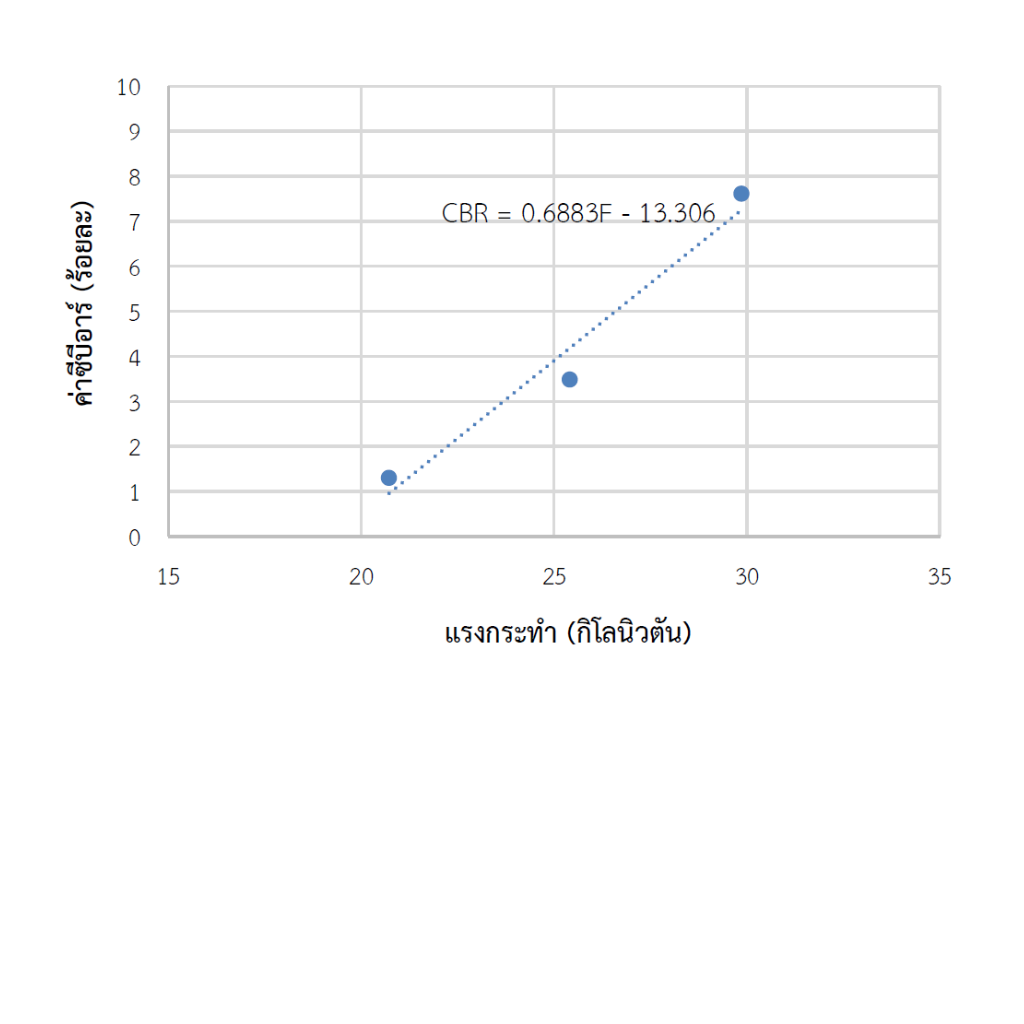
สำหรับงานวิศวกรรมโยธา ดินเป็นทั้งวัสดุโครงสร้างและฐานราก ก่อนจะนำดินไปใช้งานต้องมีการเก็บตัวอย่างดิน ทดสอบ และแบ่งประเภทเพื่อทราบคุณสมบัติต่าง ๆ จากนั้นจึงวิเคราะห์คุณสมบัติเพิ่มเติมเพื่อตรวจสอบว่าจะนำไปใช้ทำอะไร นอกจากนั้นต้องการวิธีสำหรับติดตามและควบคุมคุณภาพของดินบดอัดในสนาม สำหรับประเทศไทย วิธีแทนที่ด้วยทรายคือวิธีที่นิยมมากที่สุด แต่วิธีนี้ใช้เวลาและมีค่าใช้จ่ายสูง บางประเทศจึงหันไปใช้วิธีนิวเคลียร์ ซึ่งต้องใช้เทคนิคขั้นสูงสำหรับการทดสอบ วิธีการทดสอบแผ่นเพลทจะถูกนำมาใช้ถ้าต้องการทราบค่ากำลังรับน้ำหนักบรรทุก (ซีบีอาร์) และโมดูลัส รูปแบบของวิธีทดสอบโดยแผ่นเพลทคล้ายกันกับวิธีแทนที่ด้วยทรายในแง่ของระยะเวลาและค่าใช้จ่ายสูง ดังนั้นงานวิจัยนี้จึงต้องการแก้ปัญหาดังกล่าวโดยการใช้ระบบทดสอบแผ่นเพลทแบบพลศาสตร์ที่พัฒนาขึ้นมาเอง ขั้นตอนแรกของการวิจัย คือ จัดเก็บตัวอย่างดินลูกรังจำนวน 3 ตัวอย่าง นำตัวอย่างไปทดสอบในห้องปฏิบัติการเพื่อหาคุณสมบัติทั่วไป ความหนาแน่น และค่าซีบีอาร์ จากนั้นจึงเตรียมตัวอย่างให้มีคุณสมบัติใกล้เคียงกับตัวอย่างที่ทดสอบในห้องปฏิบัติการแล้วจึงทดสอบซีบีอาร์โดยใช้ระบบทดสอบแผ่นเพลทแบบพลศาสตร์เพื่อให้ทราบค่าแรงกระทำและการทรุดตัว ผลการทดสอบแสดงให้เห็นว่า เมื่อค่าซีบีอาร์สูงขึ้น ค่าแรงกระทำก็จะสูงขึ้นตามกันไปด้วย เช่น แรงกระทำที่เกิดขึ้นกับตัวอย่างที่มีค่าซีบีอาร์ร้อยละ 1.30 3.48 และ 7.61 คือ 20.72 25.41 และ 29.86 กิโลนิวตัน ตามลำดับ ผลดังกล่าวนี้แสดงให้เห็นว่าการทดสอบแผ่นเพลทแบบพลศาสตร์ที่พัฒนาโดยงานวิจัยนี้สามารถนำไปใช้เพื่อทำนายค่าซีบีอาร์ในสนาม ซึ่งส่งผลให้ค่าทดสอบถูกลง
Article Details

อนุญาตภายใต้เงื่อนไข Creative Commons Attribution-NonCommercial-NoDerivatives 4.0 International License.
บทความทุกบทความที่ตีพิมพ์ในวารสารวิชชา มหาวิทยาลัยราชภัฏนครศรีธรรมราช ผู้เขียนยังคงเป็นเจ้าของลิขสิทธิ์ของผลงาน โดยบทความจะได้รับการเผยแพร่ภายใต้สัญญาอนุญาต Creative Commons Attribution–NonCommercial–NoDerivatives License (CC BY-NC-ND 4.0) (https://creativecommons.org/licenses/by-nc-nd/4.0/) ภายใต้สัญญาอนุญาตดังกล่าว ผู้อ่านสามารถอ่าน ดาวน์โหลด และเผยแพร่บทความได้โดยเสรีเพื่อประโยชน์ทางวิชาการและไม่ใช่เชิงพาณิชย์ โดยต้องมีการอ้างอิงแหล่งที่มาของบทความอย่างถูกต้อง และไม่ดัดแปลงหรือแก้ไขเนื้อหาของบทความที่เผยแพร่ เนื้อหาที่ปรากฏในบทความ เช่น ข้อความ ตาราง รูปภาพ สมการ หรือภาพประกอบอื่น ๆ เป็นความรับผิดชอบของผู้เขียนบทความแต่เพียงผู้เดียว ทั้งนี้ ความคิดเห็นหรือข้อสรุปที่ปรากฏในบทความไม่จำเป็นต้องสะท้อนถึงความคิดเห็นของกองบรรณาธิการหรือหน่วยงานผู้จัดพิมพ์วารสาร
เอกสารอ้างอิง
ชนิดา ใสสุขสอาด ศิวาเวช อบมา อัคคพัฒน์ สว่างสุรีย์ และอรรถสิทธิ์ สวัสดิ์พานิช. (2564). การประเมินเสถียรภาพของฐานรากคันทางโดยวิธี plate bearing test และ dynamic penetration test. ใน การประชุมวิชาการวิศวกรรมโยธาแห่งชาติ ครั้งที่ 25 (หน้า GTE37-1-GTE37-6). ชลบุรี: วิศวกรรมสถานแห่งประเทศไทย ในพระบรมราชูปถัมภ์.
ภาณุ พร้อมพุทธางกูร ถาวร เกื้อสกูล และดุสิต ชูพันธ์ (2561). การพัฒนาระบบทดสอบกำลังรับน้ำหนักของดินโดยวิธีพลศาสตร์. รายงานวิจัย. มหาวิทยาลัยเทคโนโลยีราชมงคลศรีวิชัย.
AASHTO T222-81. (2021). Standard method of test for nonrepetitive static plate load test of soils and flexible pavement components for use in evaluation and design of airport and highway pavements. PA: American Association of State Highway and Transportation Officials.
ASTM D1195-93. (1993). Standard test method for repetitive static plat load tests of soils and flexible pavement components, for use in evaluation and design of airport and highway pavements. PA: American Association of State Highway and Transportation Officials.
ASTM D1196. (2021). Standard test method for nonrepetitive static plate tests of soils and flexible pavement components for use in evaluation and design of airport and highway pavements. PA: American Association of State Highway and Transportation Officials.
ASTM D1556. (2024). Standard test method for density and unit weight of soil in place by sand-cone method. PA: American Association of State Highway and Transportation Officials.
ASTM D6938. (2023). Standard test method for in-place density and water content of soil and soil-aggregate by nuclear methods. PA: American Association of State Highway and Transportation Officials.
ASTM D698-12. (2021). Standard test methods for laboratory compaction characteristics of soil using standard effort (12,400 ft-lbf/ft3 (600 kN-m/m3)). PA: American Association of State Highway and Transportation Officials.
ASTM E1194-94. (1994). Standard test method for bearing capacity of soil for static load and spread footings. PA: American Association of State Highway and Transportation Officials.
ASTM E2835-21. (2021). Standard test method for measuring deflections using a portable impulse plate load test device. PA: American Association of State Highway and Transportation Officials.
DIN 18134. (2012). Baugrund - versuche and versuchsgeräte - plattendruckversuch, DIN 18134:2012-04. Berlin: Deutsches Institute fur Normung.
Road and Transportation Research Association (RTSA). (2012). Technical testing regulations for soil and rock in road construction, part B 8.3, dynamic plate load testing with the light drop-weight tester TP BF-StB. KÖln: Working Group Earthworks and Foundations.
Tamrakar, P., Wayne, M.H., Fountain, G., White, D.J. and Vennapusa, P. (2022). Measurement of modulus of subgrade reaction for geogrid stabilized roadways, In Hoff, I., Mork, H. and Saba, R. (Eds.). Eleventh International Conference on the Bearing Capacity of Roads, Railways and Airfields, pp. 162-171. Trondheim: CRC Press.
