การพัฒนาชุดย้อมหม้อห้อมธรรมชาติสำเร็จรูปด้วยหัวเชื้อจุลินทรีย์บริสุทธิ์แบบแห้ง
DOI:
https://doi.org/10.14456/jare-mju.2025.49คำสำคัญ:
ชีวนวัตกรรม, ห้อม, ห้อมเปียก, ลิวโคอินดิโก, หม้อห้อมย้อมธรรมชาติบทคัดย่อ
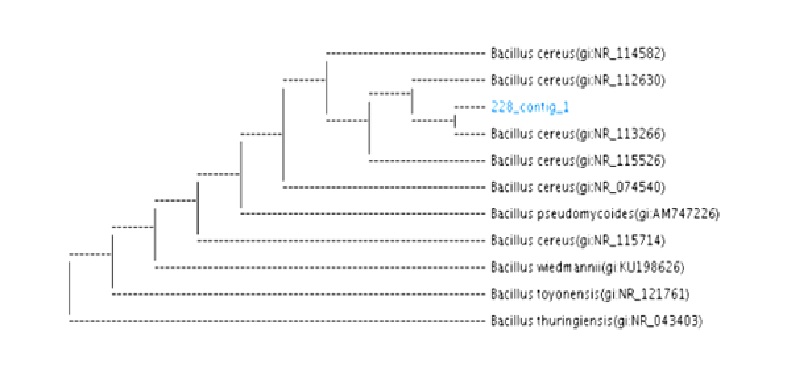
การพัฒนาชุดย้อมหม้อห้อมธรรมชาติสำเร็จรูปเชิงพาณิชย์ด้วยชีวนวัตกรรมจากจุลินทรีย์ ที่สามารถเพิ่มประสิทธิภาพของการย้อมห้อมธรรมชาติ โดยการศึกษาการพัฒนาหัวเชื้อจุลินทรีย์จากน้ำก่อหม้อธรรมชาติ ห้อมผงจากห้อมเปียก ผงกรดจากมะขามเปียก และผงด่างจากน้ำด่างของขี้เถ้าไม้ต่าง ๆ พบว่าสามารถคัดแยกเชื้อแบคทีเรียที่ให้คุณภาพสีที่เกี่ยวข้องกับกระบวนการย้อมสีธรรมชาติดีที่สุด คือ สายพันธุ์ Bacillus cereus จากโรงย้อมผ้าธรรมชาติในพื้นที่จังหวัดแพร่ ในขณะที่ห้อมผงและผงกรดนั้นควรอบที่อุณหภูมิ 60°ซ เป็นเวลา 72 และ 10 ชม. ตามลำดับ และผงด่างจากน้ำด่างของขี้เถ้าไม้รวม ซึ่งสามารถเพิ่มประสิทธิภาพในการย้อมติดสีผ้าดีขึ้น (136.42) และคุณภาพสีน้ำเงินเข้ม (L* 0.26, a* -0.07 และ b* 0.67) มากไปกว่านั้นยังช่วยลดระยะเวลาของการหมักน้ำย้อมโดยไม่มีสารมลพิษต่อสิ่งแวดล้อม อีกทั้ง ยังได้ผลผลิตผ้าที่มีสีเป็นธรรมชาติ
เอกสารอ้างอิง
Aino, K., T. Narihiro, K. Minamida, Y. Kamagata, K. Yoshimune and I. Yumoto. 2010. Bacterial community characterization and dynamics of indigo fermentation. FEMS Microbiology Ecology 74: 174–183.
Chanchay, N. 2021. Mor-Hom Phare by Dying Natural Process for Commercial. Chiang Mail: Smart Coating and Services. 202 p. [in Thai]
Chanchay, N. and A. Boonpajaub. 2021. Effect of pH on growth and indigo coloring quality of Hom (Baphicacanthus cusia (Nees.) Bremek.) at Phrae province. Thai Forest Ecological Research Journal 5(1): 91–104. [in Thai]
Compton, R.G. Welch, C.M. C.E. Bank and A.O. Sim. 2005. Silver nanoparticle assemblies supported on glassy-carbon electrodes for the electro-analytical detection of hydrogen peroxide. Analytical and Bioanalytical Chemistry 1: 12–21.
Herbst, W. and K. Hunger. 2000. Industrial Organic Pigment: Production, Properties. Weinheim: Application VCH Verlagsgesellschaft. 660 p.
Li, H.X., B. Xu, L.Tang, J.H. Zhang and Z.G. Mao. 2015. Reductive decolorization of indigo carmine dye with Bacillus sp. MZS10. International Biodeterioration & Biodegradation 103: 30–37.
Nakajima, K., K. Hirota, Y. Nodasaka and I. Yumoto. 2005. Alkalibacterium iburiense sp. Nov., and obligate alkaliphile that reduce an indigo dye. International Journal of Systematic and Evolutionary Microbiology 55(4): 1525–1530.
Nicholson, S.K. and P. John. 2005. The mechanism of bacterial indigo reduction. APPL MICROBIOL BIOT Journal 68(1): 117–123.
O-Thong, S. and B. Buakhun. 2013. Local Wisdom Innovation in Cultural Heritage of Development of Starter Culture for Fermenting Indigo Blue: Indigofera tinctoria and Indigo Dye Storage for Dying Process. Songkhla: Thaksin University. 65 p. [in Thai]
Sukka, K., C. Sompark, T. Thanananta and N. Sakkayawong. 2019. Isolation of bacteria from the indigo dyeing water in the dyed pot and indigo dyeing area soil for the application of dyeing process and wastewater treatment. Thai Journal of Science and Technology 8(5): 552–564. [in Thai]
Yumoto, I., K. Hirota, Y. Nodasaka, Y. Yokota, T. Hoshino and K. Nakajima. 2004. Alkalibacterium psychrotolelerans sp. Nov., a psychrotolerant obligate alkaliphile that reduces an indigo dye. International Journal of Systematic and Evolutionary Microbiology 54: 2379–2583.
ดาวน์โหลด
เผยแพร่แล้ว
รูปแบบการอ้างอิง
ฉบับ
ประเภทบทความ
สัญญาอนุญาต
ลิขสิทธิ์ (c) 2025 วารสารวิจัยและส่งเสริมวิชาการเกษตร

อนุญาตภายใต้เงื่อนไข Creative Commons Attribution-NonCommercial-NoDerivatives 4.0 International License.
บทความนี้ได้รับการเผยแพร่ภายใต้สัญญาอนุญาต Creative Commons Attribution-NonCommercial-NoDerivatives 4.0 International (CC BY-NC-ND 4.0) ซึ่งอนุญาตให้ผู้อื่นสามารถแชร์บทความได้โดยให้เครดิตผู้เขียนและห้ามนำไปใช้เพื่อการค้าหรือดัดแปลง หากต้องการใช้งานซ้ำในลักษณะอื่น ๆ หรือการเผยแพร่ซ้ำ จำเป็นต้องได้รับอนุญาตจากวารสาร